Y’all know I love herbs. I love growing them, cooking with them, and even staring at them in awe. I’m not kidding. I am obsessed with growing my own herbs and love any and all good backyard garden ideas.

I even have an entire post on how to set up your own DIY kitchen herb planter, as well as a ton of tips on growing rosemary and more. Fresh herbs are always, IMHO, the perfect option for a starting gardener and the ideal complement to the vegetable garden.
I’ve tested nearly every herb garden setup, from raised beds at the cabin to containers in my San Francisco space, and these are the layouts that actually work.
I was hooked once I started growing my herbs as an adult in my own backyard. Besides nothing says adulting like growing herbs. They are just so easy and make any garden or living space magical. So, if you want some backyard herb garden ideas, you are in the right place. Let’s dive in.
Table of Contents
- A Straightforward Synopsis
- The 136home Herb Garden (My Go-To Setup)
- Best Herbs for Backyard Gardens
- Backyard Herb Garden Layout Ideas (Visual Planning Guide)
- Mistakes to Avoid When Starting a Herb Garden
- My Favorite Herb Garden Ideas for Beginners
- Pick Up Some Polytunnels
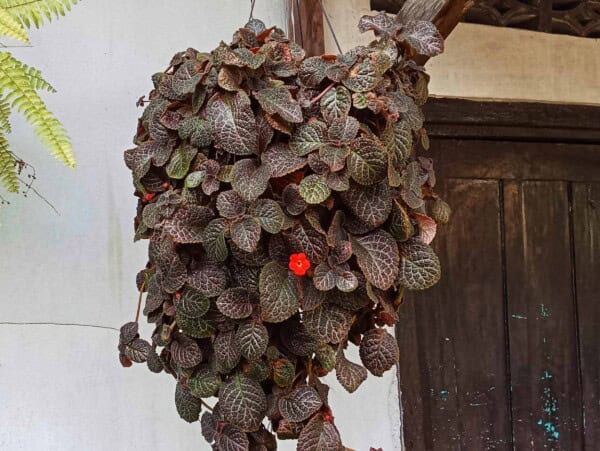
- Place a Few Hanging Planters
- Make a Stacked Herb Pot Display
- Try Your Hand With Planter Tables & Raised Beds
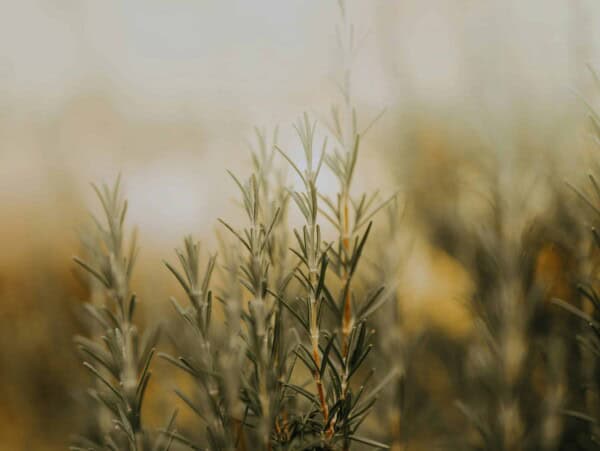
- Grow a Beautiful Rosemary Hedge
- Make an Herb Pathway
- Curate Your Picnic Table Centerpiece
- Set Up a Tiered Garden
- Give Vertical Gardening a Try
- Utilize Old Buckets, Pots, and Baskets
- Fill Up Some Window Boxes
- 21 Backyard Herb Garden Ideas You Can Copy Today
- 1. Raised Bed Herb Garden (Best Overall Setup)
- 2. Container Herb Garden (Best for Flexibility)
- 3. Vertical Herb Garden (Best for Small Spaces)
- 4. Hanging Herb Planters (Best for Visual Impact)
- 5. Stacked Pot Herb Garden (Best for Layering)
- 6. Herb Garden Pathway (Most Underrated Idea)
- 7. Rosemary Hedge (Best Statement Feature)
- 8. Window Box Herb Garden (Classic + Charming)
- 9. Picnic Table Herb Centerpiece (Functional + Beautiful)
- 10. Tiered Herb Garden (Best for Sloped Yards)
- 11. Polytunnel Herb Setup (Best for Protection)
- 12. Raised Planter Tables (Best for Control)
- 13. Repurposed Container Garden (Most Sustainable)
- 14. Kitchen-Adjacent Herb Garden (Most Practical)
- 15. Herb Garden Grid Layout (Clean + Modern)
- 16. Cottage-Style Herb Garden (Soft + Organic)
- 17. Minimalist Herb Garden (136home Style)
- 18. Herb Spiral Garden (Permaculture Style)
- 19. Indoor-Outdoor Herb Flow
- 20. Herb and Vegetable Combo Garden
- 21. The 136home Herb Garden Setup (My Go-To)
- Best Herbs for Backyard Gardens
- Mistakes to Avoid (This Matters More Than You Think)
- Wrapping Up My Backyard Herb Garden Ideas
- FAQs Related to Backyard Herb Garden Ideas
A Straightforward Synopsis

Starting a backyard herb garden is way easier than you think and totally worth it! I suggest starting with easy favorites like basil, rosemary, mint, thyme, and parsley; you’ll actually use them in the kitchen, and that makes the whole process extra delightful. You can do others, but if this is your first go, I think these are the best to start with for all the right reasons. Find a sunny spot with good drainage since herbs love the sun but hate soggy soil.

Before planting, mix in some compost to give the soil a boost. Whether you’re starting from seeds or small plants, just space them out a bit. Don’t overwater; let the soil dry between watering sessions. And harvest often, clipping herbs regularly helps them grow even more. I cut fresh rosemary from my bush weekly.
If space is tight, try containers! Herbs do great in pots, and you can move them around to catch the sun. Honestly, there’s nothing better than stepping outside to grab fresh herbs for cooking. It’s a simple way to level up your meals and your backyard!
There are many different ways to grow herbs, including using raised beds like mine, pots, hanging baskets, window boxes, and buckets. You could also try vertical gardening or even make your own dedicated Rosemary hedge; you can’t go wrong.
The 136home Herb Garden (My Go-To Setup)
- Raised beds
- rosemary anchor plant
- neutral containers
- layered textures
Best Herbs for Backyard Gardens
- Cooking: basil, thyme, rosemary
- Low maintenance: mint, chives
- Fragrance: lavender, lemon balm
Backyard Herb Garden Layout Ideas (Visual Planning Guide)
- Grid layout
- Cottage style
- Modern minimalist rows
- Wild herb meadow
Mistakes to Avoid When Starting a Herb Garden
- Overwatering
- Mixing incompatible herbs
- No drainage
- Not harvesting enough
My Favorite Herb Garden Ideas for Beginners

Arranging your garden can seem like a daunting task, especially if you’re new to the whole “gardening thing”. With a bit of guidance and direction, though, I promise you’ll quickly see that it’s not nearly as hard as you’re imagining.
I’ve tried to include a wide variety of backyard of ideas in this article, ensuring options for everyone. Whether you’re planning a spacious outdoor herb garden or limited to only a small space, I’m sure at least a few of these ideas will come in handy.
Remember, your garden design is all up to you, so don’t be afraid to get creative with it!
Pick Up Some Polytunnels

We all know that greenhouses are a great way to protect your plants from pests and harsh weather. I picked one up for my garden, and it was one of the best decisions I’ve ever made. Still, not everyone has the space for a small greenhouse, so what should you do?
Well, that’s where polytunnels come in. Arguably the best way to protect small plant setups, these polythene tunnels retain heat and increase humidity, all while protecting your herbs from threats from outside. I actually used these before upgrading to my greenhouse. The only issue I had was that they weren’t large enough.
Of course, their small size offers some advantages. Polytunnels are easy to move around the yard and offer the benefits of a greenhouse at a fraction of the price. If you don’t have space for a full-size greenhouse, then I’d definitely say that these are the next best way to protect your herb garden.
Place a Few Hanging Planters

If you’re looking for an easy way to organize indoor plants then many people often turn to hanging planters. Of course, these planters aren’t limited solely to indoor use. They actually offer a great way to organize and present your favorite herbs as well.
Depending on the size of the planter(s) and the herbs in question, you’ll want to consider your herb layout. Will you have multiple herbs in one planter? Perhaps each planter will just have a single type of herb? Consider and research your options carefully while making your arrangement.
Personally, I absolutely love this placement strategy. I’ve often used hanging planters to help separate my culinary herbs from my aromatic herbs. Not only did this make maintaining a sufficient watering schedule easier, but it also helped me easily see what I had on hand to help enhance my favorite meals.
Make a Stacked Herb Pot Display

Another wonderful way to arrange your herbs is by stacking pots. There are a few ways to incorporate this into your backyard herb garden ideas, but I’m really a fan of stacking pots that get progressively smaller.
Basically, start with one large pot on the bottom. Fill this with dirt, then place a medium-sized pot in the middle. Fill the medium pot with dirt, then place a smaller pot in the middle of that one. As you can see, the only limit to the layers is the sizes of pots you’re working with.
Aside from curbside appeal, this display also offers efficient organization. You can easily separate different types of herbs, like perennial herbs or annual herbs, into different layers on the stacked pot display. There’s also the height advantage, which allows passersby to enjoy seeing more herbs in a single spot.
Try Your Hand With Planter Tables & Raised Beds

If limiting your herbs to a single location is a key part of your backyard design then planter tables and raised beds are a must-have. I’ve used this strategy in the past to separate non-compatible herb types. Yes, that’s a thing! That’s why herb placement is so important.
With enough space and a bit of legwork, you can build more permanent raised bed setups into your lawn’s landscape. However, if a permanent install isn’t what you’re after then a portable raised planter bed will work just fine as well.
Grow a Beautiful Rosemary Hedge

I’m gonna be honest, I haven’t tried this one yet (but I want to so bad!). It does require quite a bit of outdoor space, but it looks absolutely amazing when done properly. Paired with a mixture of regular garden beds and designated herb areas, you can easily put a lot of life into nearly any lawn.
One of my neighbors has a short hedge, standing about two feet tall, which he’s used as a border for his main flower garden. It makes me jealous nearly every time I see it, so I’m definitely planning on grabbing some herb seeds and planting my own when I get a chance.
While you will have to master the art of growing and maintaining rosemary to enjoy these unique hedges, I’d still say this is one of the better ideas I’ve seen around.
Make an Herb Pathway

You can also use herbs to decorate and enhance your pathways. I recommend using a mixture of colorful aromatic herbs for this, giving you curb appeal and beautiful fragrances to enjoy as you walk the path.
You can use rosemary for this idea as well, although lemon balm and mint are also great selections. You may need to consider blocking off the pathway from guests, though, as I’ve had more than one person accidentally step on my special herbs while wandering through my backyard.
Curate Your Picnic Table Centerpiece

If you enjoy hosting guests for small gatherings in your backyard, chances are you probably already have a picnic table in place. The question is, are you letting its decorative potential go to waste? Well, you don’t have to – simply add some herbs as a centerpiece for the finishing touch.
You can really do whatever you like with your centerpiece, provided it doesn’t take up too much of the table. I’ve experimented with a few different arrangement designs and found that the best options really depend on the outdoor tables you’re working with.
While some might prefer to have all of the various herbs in a single pot or basket, others may want each separate herb to have its own container. I recommend trying out a few different options to see which one(s) look best on your particular picnic table.
Set Up a Tiered Garden

If you want your kitchen garden to take advantage of your existing landscape, a tiered garden may be worth considering. I will admit that these can take a bit of work if you have to redo the landscape from scratch. Nonetheless, the results look great, so it’s definitely worth looking into.
Of course, building a tiered design directly into your landscape isn’t the only option. You can also use raised beds to achieve similar results for a fraction of the effort. If doing this, I recommend arranging your herbs from top to bottom, starting with the herbs that require the least water.
I’ve found that this specific herb arrangement tends to work well, as the more water-hungry herbs at the bottom will receive the most water.
Give Vertical Gardening a Try

Really want to maximize your existing space? Then a vertical herb garden is the one for you! Vertical gardens are a great option because they allow you to have a lot of plants, even with limited space to work with.
I’ve tried a few different setups, from using a dedicated plant shelf to repurposing some old storage shelves. Honestly, any type of shelf that can fit an adequate amount of herbs will work fine, so long as it won’t rot or run into later issues.
You could even get a bit creative and make a hanging vertical garden. Think propagation station, but bigger with full-sized, but smaller, herbs.
Utilize Old Buckets, Pots, and Baskets
“Reduce, Reuse, Recycle” was, and still is, a big thing. If you want to be a bit more eco-positive, consider using old buckets, pots, and baskets in your backyard.
Most of us have more than a few larger containers lying around. Instead of throwing them out, use them as vessels to house your herbs instead. If you have lots of different herbs in similar-looking containers then I’d recommend creating labels or little signs with the different herb names.
This will not only help you memorize the look and smell of each herb, but also make it easier to ensure each herb gets the proper care it needs.
Fill Up Some Window Boxes

Last but not least, consider decorating the outside of your kitchen window with window boxes for that classic cottage feel. This works perfectly when paired with a small backyard and a small garden. Alternatively, try curating a small arrangement of herbs on your kitchen windowsill if you simply don’t have the space outdoors.
As long as your windowsill receives enough light, your herbs should still thrive in this indoor environment.
21 Backyard Herb Garden Ideas You Can Copy Today
1. Raised Bed Herb Garden (Best Overall Setup)
Clean, structured, and easy to maintain.
- Great drainage (herbs thrive here)
- Keeps everything organized
- Ideal for medium to large backyards
Tip
Separate herbs by watering needs, this alone will save you headaches.
2. Container Herb Garden (Best for Flexibility)
Perfect if you want to move things around with the sun.
- Works for patios, decks, and small yards
- Easy to control soil quality
- Great for beginners
3. Vertical Herb Garden (Best for Small Spaces)
When space is tight, go up.
- Maximizes growing space
- Looks incredibly design-forward
- Works with shelves or wall systems
Tip
Use this for lighter herbs like basil and parsley.
4. Hanging Herb Planters (Best for Visual Impact)
One of my favorite ways to style herbs.
- Keeps herbs within reach
- Adds dimension to your space
- Great for separating culinary vs aromatic herbs
5. Stacked Pot Herb Garden (Best for Layering)
Simple, sculptural, and efficient.
- Creates height and visual interest
- Great for patios
- Easy to organize by herb type
6. Herb Garden Pathway (Most Underrated Idea)
This one is so good.
- Line pathways with rosemary, thyme, or mint
- Adds fragrance as you walk
- Feels straight out of a European garden
7. Rosemary Hedge (Best Statement Feature)
If you have the space, do this. I mention why above but to summarize:
- Doubles as landscaping
- Smells incredible
- Feels intentional and elevated
8. Window Box Herb Garden (Classic + Charming)
Timeless for a reason.
- Perfect for small homes
- Easy access from the kitchen
- Adds curb appeal instantly
9. Picnic Table Herb Centerpiece (Functional + Beautiful)
One of my go-to hosting tricks.
- Fresh herbs right at the table
- Doubles as decor
- Guests love it
10. Tiered Herb Garden (Best for Sloped Yards)
Work with your landscape, not against it.
- Improves drainage naturally
- Adds depth to your yard
- Looks high-end
11. Polytunnel Herb Setup (Best for Protection)
Mini greenhouse energy.
- Protects from pests + weather
- Extends growing season
- Budget-friendly alternative to a greenhouse
12. Raised Planter Tables (Best for Control)
Perfect for keeping herbs contained.
- Great for mixing soil types
- Easy to maintain
- Works well in modern spaces
13. Repurposed Container Garden (Most Sustainable)
Buckets, baskets, old pots, use them.
- Eco-friendly
- Adds character
- Easy to customize
14. Kitchen-Adjacent Herb Garden (Most Practical)
This is the move.
- Place herbs near your kitchen door
- Makes cooking effortless
- You’ll actually use them
15. Herb Garden Grid Layout (Clean + Modern)
Think organized rows.
- Easy to maintain
- Visually calming
- Great for larger yards
16. Cottage-Style Herb Garden (Soft + Organic)
Let it feel a little wild.
- Mix herbs with flowers
- Looser structure
- Romantic, lived-in look
17. Minimalist Herb Garden (136home Style)
This is my personal favorite.
- Neutral containers
- Tight palette (greens, whites, wood tones)
- Clean, intentional layout
18. Herb Spiral Garden (Permaculture Style)
For the garden enthusiasts.
- Maximizes microclimates
- Efficient use of space
- Great for diverse herb needs
19. Indoor-Outdoor Herb Flow
Blend spaces together.
- Window herbs inside
- Larger garden outside
- Feels cohesive
20. Herb and Vegetable Combo Garden
The ultimate kitchen garden.
- Herbs enhance vegetables
- Efficient use of space
- Highly functional
21. The 136home Herb Garden Setup (My Go-To)
If I had to do it all over again, I’d do this:
- Raised bed foundation
- Rosemary as an anchor plant
- Neutral containers layered in
- Herbs grouped by use (cooking vs fragrance)
Simple. Clean. Works every time.
Best Herbs for Backyard Gardens
If you’re choosing what to plant:
For cooking: basil, rosemary, thyme, parsley
Low maintenance: mint, chives
Fragrance: lavender, lemon balm
Mistakes to Avoid (This Matters More Than You Think)
- Overwatering
- No drainage
- Mixing incompatible herbs
- Not harvesting enough
Tip
The more you cut herbs, the more they grow.
Wrapping Up My Backyard Herb Garden Ideas
Alright, y’all, that pretty much wraps up this list of backyard herb garden ideas! I hope you found a few or more you loved, because I’ve sure enjoyed trying these out for myself. Of course, there are a few I haven’t gotten around to just yet, but give it enough time and I promise to try them all out.
Sure, you can simply go and buy herbs at the store, but where’s the fun in that? Growing your own herbs is much more rewarding, helps add a bit of life to the surrounding area, and requires relatively little effort for the benefits it offers. If you haven’t tried it yet, I suggest starting with the windowsill idea first. From there, I promise, your herbal horizons will expand.
As always, feel free to share your own stories and thoughts in the comments below. I can’t wait to hear what you’ve been up to. Until next week, love you guys!
FAQs Related to Backyard Herb Garden Ideas

Some herb plants don’t play nice, and mint is one of those, so you’ll want to keep it away from your other herbs. You’ll also want to separate dill and fennel from your other herbs. Beyond that, simply separate any plants with widely varying preferences, such as those that prefer poor soil, require extra sunlight, or have specific watering requirements.
Most herbs will grow well in pots and in the ground. This is great, as it means your indoor herb garden ideas won’t be limited by planting space, only by my basic requirements like lighting and using the proper soil. Still, if you want your herbs to grow as big as possible, the ground is better. This expansive outdoor space will allow them to reach their maximum size.
It varies from herb to herb. In general, though, there’s no reason to have sunlight concerns, as most herbs will thrive on four daily hours of sunlight. Still, some herbs, like basil, may do better with six to eight hours of sunlight per day.
Lavender is generally considered to be the most challenging, followed by basil. You won’t necessarily need a green thumb, but it will sure help!
Herbs do need a consistent watering schedule to thrive, but it’s easy to overdo it with your trusty watering can. Aside from using a well-drained soil and a pot with drainage holes, you’ll want to limit watering to twice or thrice a week. With good drainage and a restrained watering schedule, your herbs should do just fine!
Most Mediterranean herbs will do best with the afternoon sun over the morning sun. Either option is preferable over no sunlight, though, as not getting much sun will be detrimental to your herb’s health.