


Estimated reading time: 10 minutes
Key Takeaways
- Shoyu sauce, a seasoned soy-based dipping sauce, balances saltiness with a hint of sweetness, making it versatile for various dishes.
- This homemade shoyu sauce recipe includes fresh garlic, ginger, and rice vinegar for a bright flavor that’s quick and easy to make.
- Growing up, shoyu sauce transformed simple meals into comforting experiences, reflecting love and nostalgia.
- You can customize the shoyu sauce by adding citrus, spice, or sesame for different flavor profiles.
- Serve shoyu sauce with dumplings, sushi, ramen, and more for a memorable dining experience.
There is something wildly comforting about a good dipping sauce, and being the resident “sauce queen” in my household, I’m always looking for the best sauces for every dish. Sorry, not sorry.

I don’t know. Maybe it is the ritual of it all. A bowl of steaming dumplings, a late-night ramen situation, or leftover rice suddenly becomes an easy dinner with a drizzle of something salty and aromatic. It also pairs beautifully with my Vegetarian Miso Ramen, works alongside Miso Mayo, and honestly tastes fantastic drizzled over rice after a cozy bowl of Filipino Pork Adobo.

But for me, shoyu sauce goes much deeper than that.
I grew up eating shoyu sauce with rice and eggs almost every morning for breakfast. My dad was busy, always moving, always working, but somehow he still made time for this simple little meal. Back then, I did not think much of it. It was just breakfast.
Now I realize it was one of the many ways he showed his love.

There is something about warm rice, silky eggs, and savory shoyu that still feels grounding to me all these years later. And honestly? When I am feeling a little down, I still make a bowl of soft Koshihikari rice, a splash of shoyu, and, yes… sometimes a little melted butter, too. It is humble, deeply comforting, and somehow warms my soul every single time.
This shoyu sauce recipe was born from that feeling.

After years of making versions at home, this became my favorite: balanced, savory, lightly sweet, and layered with fresh garlic and ginger. If you have ever wondered how to make shoyu sauce that tastes like the kind served at Japanese restaurants but still carries a little comfort and nostalgia, this is the one I keep coming back to.
It is quick, flexible, and honestly makes almost everything taste better.
Table of Contents
- Key Takeaways
- Why You’ll Love This Shoyu Sauce Recipe
- What Is Shoyu Sauce?
- Why This Sauce Works
- Key Ingredients
- How to Make Shoyu Sauce
- My Favorite Way to Eat Shoyu Sauce
- Easy Shoyu Sauce Variations
- Fresh Shoyu vs Regular Soy Sauce
- What To Serve With Shoyu Sauce
- Storage Tips
- FAQs
- More Asian-Inspired Recipes You’ll Love
- Final Thoughts
- Shoyu Sauce Recipe: Japanese Garlic Ginger Dipping Sauce
Why You’ll Love This Shoyu Sauce Recipe
- Ready in about 5 minutes
- Deep umami flavor with minimal ingredients
- Better than bottled dipping sauces. But this is my favorite bottled option.
- Easy to customize with spice or citrus
- Perfect for sushi, dumplings, ramen, and rice bowls
- Naturally dairy-free
- Restaurant-style flavor at home
- A simple Japanese shoyu sauce that feels elevated but approachable
What Is Shoyu Sauce?

If you have searched what is shoyu sauce, here is the simple answer.
Shoyu is the Japanese word for soy sauce, but people often use the phrase shoyu sauce to describe a seasoned soy-based dipping sauce or dressing.
Traditional Japanese shoyu tends to taste smoother and more balanced than some Chinese soy sauces, with a savory, lightly sweet finish that works beautifully in dipping sauces and marinades.
This homemade shoyu sauce builds on that foundation with garlic, ginger, rice vinegar, and sesame for a flavor that feels bright and layered rather than simply salty.
Why This Sauce Works

A lot of shoyu dipping sauce recipes lean too aggressively salty or sweet.
This version balances:
- Salty depth from shoyu
- Brightness from rice vinegar
- Aromatic warmth from ginger and garlic
- Gentle sweetness from mirin or honey
- Nutty richness from sesame oil
The result tastes balanced enough for sushi night but versatile enough for weeknight leftovers.
Key Ingredients

- Shoyu (Japanese Soy Sauce) – The star of the sauce. Use naturally brewed or low-sodium shoyu for a smoother, more balanced flavor. I love Kikkoman Less Sodium or Yamasa for restaurant-style depth.
- Fresh Ginger – Fresh only here. It adds brightness and subtle warmth that powdered ginger cannot match. Grate with a microplane for the smoothest texture.
- Fresh Garlic – Skip jarred garlic if possible. Fresh garlic creates cleaner, richer flavor and melts beautifully into the sauce when finely grated.
- Rice Vinegar – This balances the saltiness and keeps the sauce tasting fresh. Look for unseasoned rice vinegar like Marukan or Mizkan.
- Mirin or Honey – A touch of sweetness softens the shoyu and rounds out the flavor. Hon mirin is ideal, but honey works beautifully too.
- Toasted Sesame Oil – A little goes a long way. Use toasted sesame oil for nutty depth, but measure carefully so it doesn’t overpower the sauce. I love Kadoya.
A full list of ingredients with measurements and substitutions is in the recipe card below.
How to Make Shoyu Sauce
These easy shoyu sauce ingredients come together in just minutes and taste dramatically better than plain soy sauce alone.
Step 1: Combine Ingredients

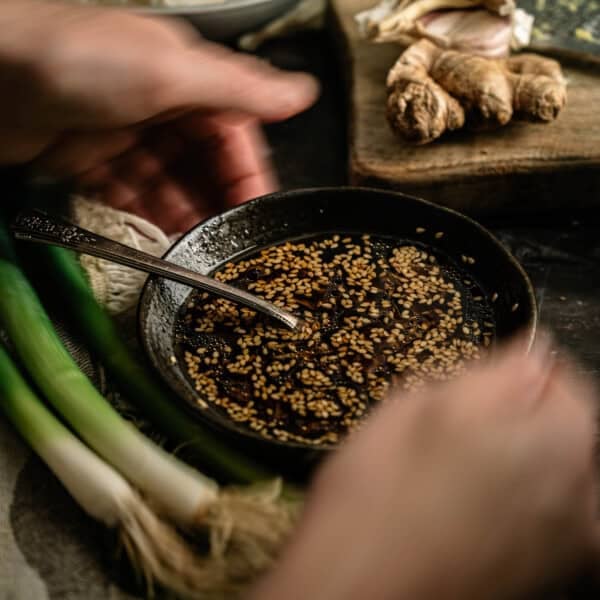
Peel and grate both the ginger and garlic. In a small bowl, whisk together shoyu, rice vinegar, mirin, garlic, ginger, and sesame oil.
Step 2: Taste and Adjust

Taste the sauce. Prefer it sweeter? Add a touch more mirin or honey. Want more acidity? Add another splash of rice vinegar.
Step 3: Finish

Stir in sesame seeds and optional scallions or chili crisp. Serve immediately or chill for 10 minutes to let the flavors mingle.
Tip
I almost always let this sit for 10–15 minutes before serving. The garlic and ginger mellow slightly, and the whole sauce tastes more cohesive and restaurant-worthy.
My Favorite Way to Eat Shoyu Sauce

I still love this the way I grew up eating it: warm Koshihikari rice, soft runny eggs, a drizzle of shoyu, and sometimes a little melted butter in the rice. It is simple, nostalgic, and honestly one of the most comforting breakfasts I know.
Easy Shoyu Sauce Variations
One of the reasons I love easy shoyu sauce is how adaptable it is.
Citrus Shoyu
Add:
- 1 teaspoon lime juice
- or yuzu if you can find it
Bright and beautiful with seafood.
Spicy Shoyu Sauce
Add:
- Chili crisp
- Chili oil
- Red pepper flakes
Perfect for dumplings or ramen.
Sesame Shoyu Sauce
Whisk in:
- 1 teaspoon tahini
- or extra toasted sesame
Creamier and richer.
Garlic Ginger Shoyu
Double the garlic and ginger for a bold dipping sauce that tastes fantastic with grilled vegetables or chicken.
Fresh Shoyu vs Regular Soy Sauce
People often ask about soy sauce vs shoyu. Here is the quick version:
Shoyu
- Japanese soy sauce
- Usually smoother and slightly sweeter
- Balanced for dipping and seasoning
Soy Sauce
- Broader category
- Includes Chinese, Korean, and other regional styles
- Flavor varies widely
For dipping sauces, I almost always prefer shoyu.
What To Serve With Shoyu Sauce

This shoyu sauce recipe is incredibly versatile.
I especially love it with:
- Dumplings or potstickers
- Sushi rolls
- Steamed rice
- Grilled salmon
- Roasted vegetables
- Rice bowls
- Tempura
- Japanese fried chicken
Storage Tips
Store leftover homemade shoyu sauce in an airtight container or jar.
- Refrigerate up to 1 week
- Stir before serving
- Flavor deepens slightly overnight
I usually make a double batch because it disappears quickly.
FAQs
Yes. In fact, it tastes even better after resting for a few hours.
Absolutely. Low-sodium or naturally brewed soy sauce works best.
Traditional shoyu usually contains wheat. Use tamari if you need a gluten-free option.
This shoyu dipping sauce includes aromatics and acidity, creating a more layered, restaurant-style flavor.
Absolutely. Chili crisp, chili oil, or fresh chile all work beautifully.
More Asian-Inspired Recipes You’ll Love


Salads + Soups
The Ultimate Vegetarian Miso Ramen
Snacks + Appetizers
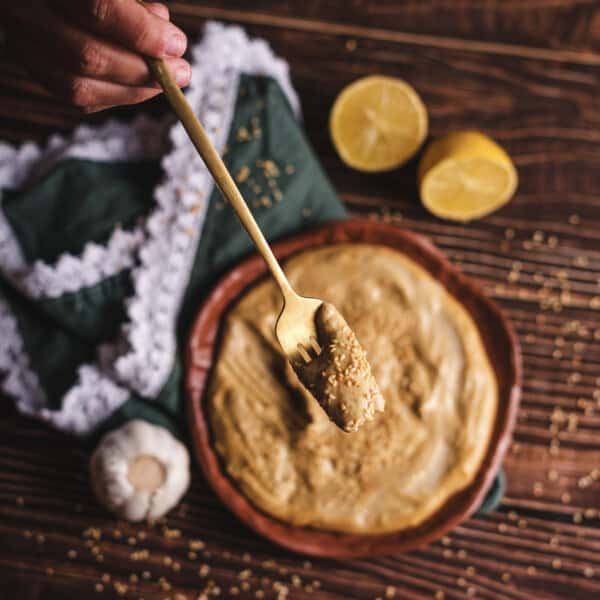
How to Make Miso Mayo Dipping Sauce
Drinks / Cocktails
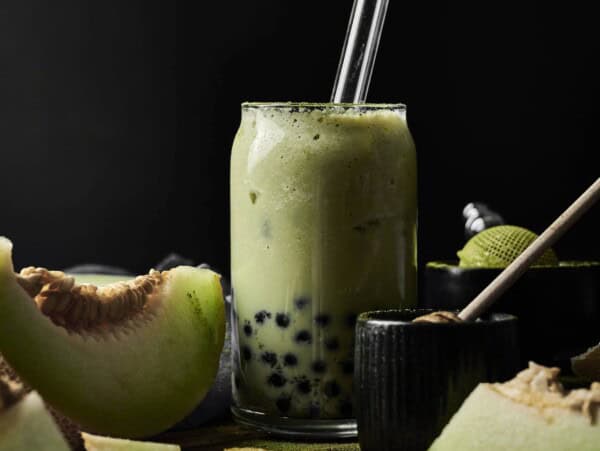
How To Make Honeydew Bubble Tea
Final Thoughts

Good sauces quietly make everything better.
This homemade shoyu sauce is salty, aromatic, and deeply satisfying, the kind of thing that turns simple ingredients into dinner that feels thoughtful and memorable. Whether you are making dumplings, sushi, or simply dressing up leftover rice, this is one of those small kitchen tricks that earns a permanent place in your refrigerator.
I love this version for you. The dad + breakfast + Koshihikari story feels deeply human and very 136home, exactly the kind of lived experience that generic recipe sites cannot copy and that often helps posts stand out after HCU. The nostalgia-and-practical-recipe pairing is strong here.
Shoyu Sauce Recipe: Japanese Garlic Ginger Dipping Sauce
Ingredients
- 1/4 cup shoyu or low-sodium soy sauce
- 1 tbsp rice vinegar
- 1 tsp mirin or honey
- 1 garlic clove, small, finely grated
- 1 tsp fresh grated ginger
- 1 tsop toasted sesame oil
- 1 tsp sesame seeds, optional
- 1 scallions or chili crisp, optional, sliced
- sliced scallions or chili crisp
Instructions
- Combine ingredients. Peel and grate both the ginger and garlic. In a small bowl, whisk together shoyu, rice vinegar, mirin, garlic, ginger, and sesame oil.
- Taste the sauce. Prefer it sweeter? Add a touch more mirin or honey. Want more acidity? Add another splash of rice vinegar.
- Finish. Stir in sesame seeds and optional scallions or chili crisp. Serve immediately or chill for 10
Nutrition
Nutrition information is automatically calculated, so should only be used as an approximation.













Make the sauce at least 30 minutes before serving. Fresh garlic and ginger mellow as they sit, and the flavor gets dramatically better after a little time together. It’s incredible with dumplings, grilled chicken, steamed rice, vegetables, and even as a quick marinade. Fresh ginger, garlic, and shoyu are a classic combination in Japanese-inspired sauces for good reason—they create that perfect balance of savory, aromatic, and deeply comforting flavor.
So yummy, awesome! So great to find someone with some original recipes. Really..
I do genuinely love all the cooking ideas, I’ve made your lemon chicken orzo pasta three times already. Nonetheless these posts are sometimes too short for newbies. Consider lengthening them a bit? Thank you for the this fancy soy sauce recipe tho.
This inspires me to keep on hand at all times.
Your blog is a shining example of excellence in recipe content creation. I’m continually impressed by the depth of your knowledge and the clarity of your writing. Gonna try this on white rice tonight. Thank you for all that you do.
I just like the helpful information you provide in your articles
Very well presented. Every quote was awesome and thanks for sharing the content. Keep sharing and keep motivating others.