


Estimated reading time: 22 minutes
Welcome, fellow cabin lovers! Whether you’ve had your cabin for a few years or just bought your first cabin recently, heating a cabin efficiently is something worth putting a bit of thought into. This is true for any type of structure, but it’s especially true for log homes or something like a winter cabin, where heating solutions may be limited by the grid (or lack thereof).
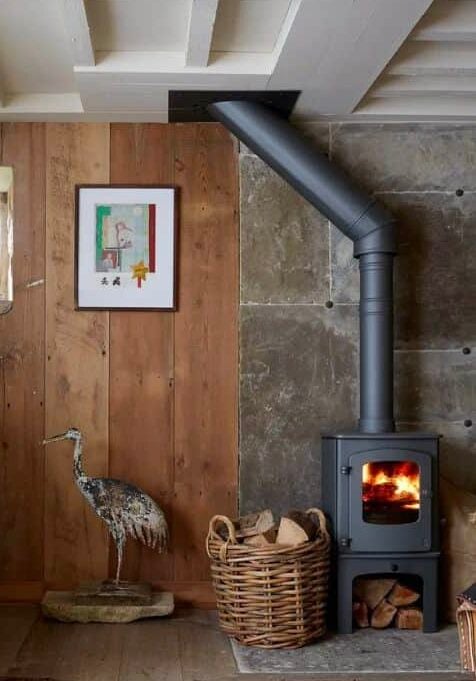
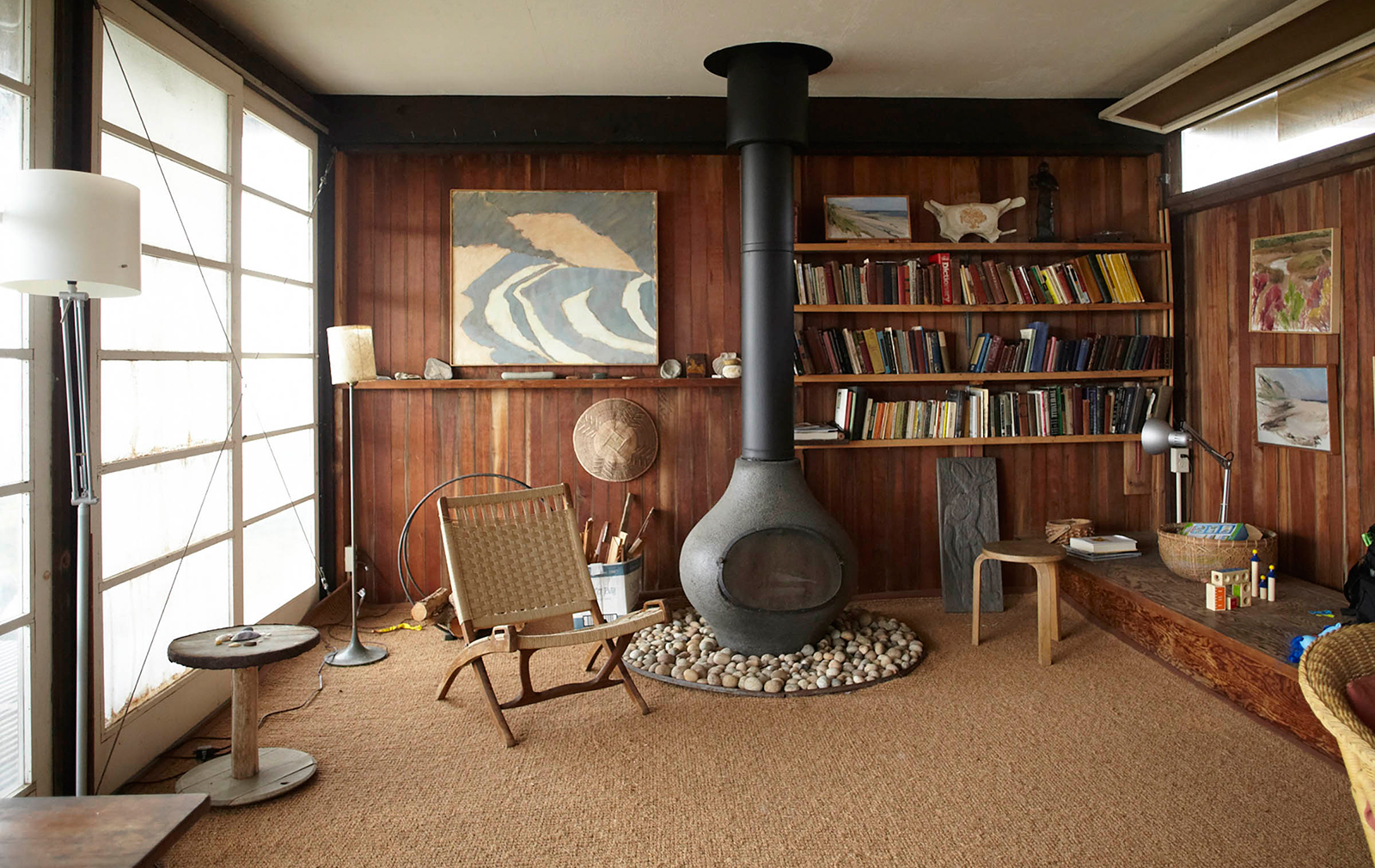
When we bought our rural Northern CA cabin, checking out the existing heating setup was our first step toward making it a home. We have no central heating, just a dauntless wood-burning stove that does an incredible job of heating our entire two-bedroom escape. After you read this article, I’d suggest you do the same for your cabin. Honestly, testing your system before the cold weather hits is always a good idea, and this is one of the best ways to avoid ending up chilly and uncomfortable on cold, rainy (or snowy) nights.

Keeping warm doesn’t have to mean draining your budget or even relying purely on the power grid. With a bit of planning and preparation, getting your cabin ready for year-long comfort is easy enough. Let’s start with the basics.
Table of contents
- Why Cabin Heating is a Bit Different
- What is the Most Efficient Way to Hear a Cabin?
- How Many BTUs Do You Need to Heat a Cabin?
- Cabin Heating Options
- Which Cabin Heating Option Is Best for Your Setup?
- How to Choose a Wood-Burning Stove by BTU and Square Footage
- Understanding Cabin Heating Requirements
- Why 20 BTUs per Square Foot Is Not a Universal Minimum
- How to Heat a Cabin Without Electricity
- Optimizing Your Home’s Heating
- 10 Ways to Keep a Cabin Warm Without Wasting Fuel
- How Much Does It Cost to Heat a Cabin?
- FAQs About Heating a Cabin Efficiently
- Related Reading
- Final Thoughts
Why Cabin Heating is a Bit Different

If you’ve lived in a city all your life, chances are you never had to put much thought into heating your home. Generally, these homes are built to a certain standard, so you won’t have to deal with heat loss and power limitations as much. However, heating a cabin efficiently is a bit more involved.
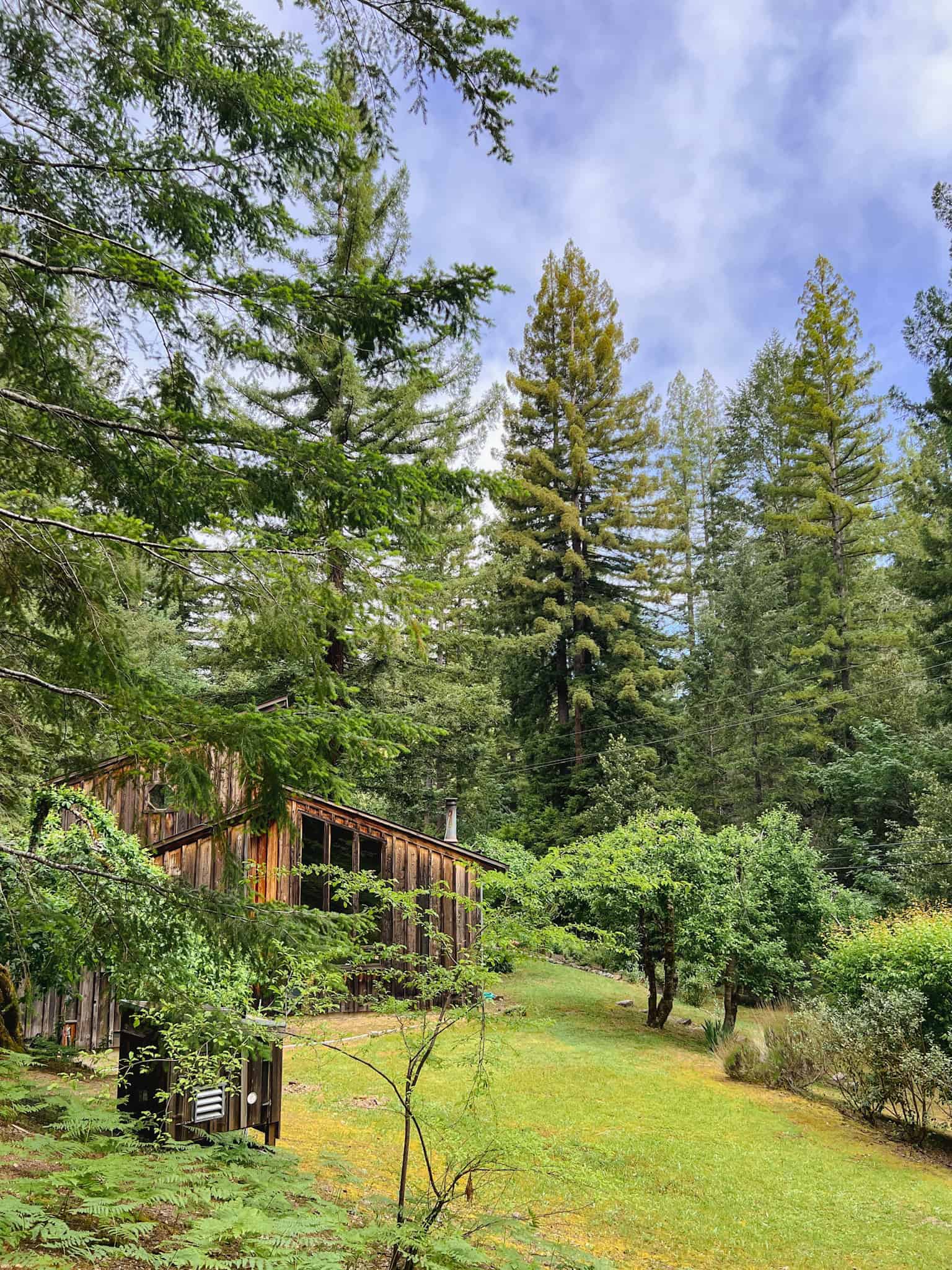
Honestly, good exterior wall insulation is one of the biggest issues you’re likely to run into. Cabins don’t tend to be insulated as well as standard homes, making them much more vulnerable to temperature changes outside. We ended up adding a ton of Rockwool insulation to our exterior walls to retain as much heat as possible (and keep it out in the summer). On the plus side, cabin interior spaces tend to be smaller than in regular homes, which makes it a bit easier to balance your energy-efficiency goals with realistic heating needs.
Many cabins are hooked up to the grid, but not all of them. If you don’t have grid access, then the options are a bit more limited, but it’s still easy enough to find a suitable heat source for your home (especially if you’re working with a small space). While portable heaters can work in a pinch, it’s important to have something with a bit more stable setup.
Tip
Some heating solutions will dry out the air in your cabin. Consider using a small humidifier to offset this!
What is the Most Efficient Way to Hear a Cabin?
The most efficient way to heat a cabin usually starts before you turn on a heater: reduce the amount of warmth escaping through the roof, windows, doors, and floor. Then choose a heating system that suits your climate, electricity access, cabin layout, and how often you visit. A properly sized cold-climate heat pump can be an efficient everyday choice where power is reliable. A modern, properly installed wood stove can be a practical option for a rural cabin where outages are part of life.

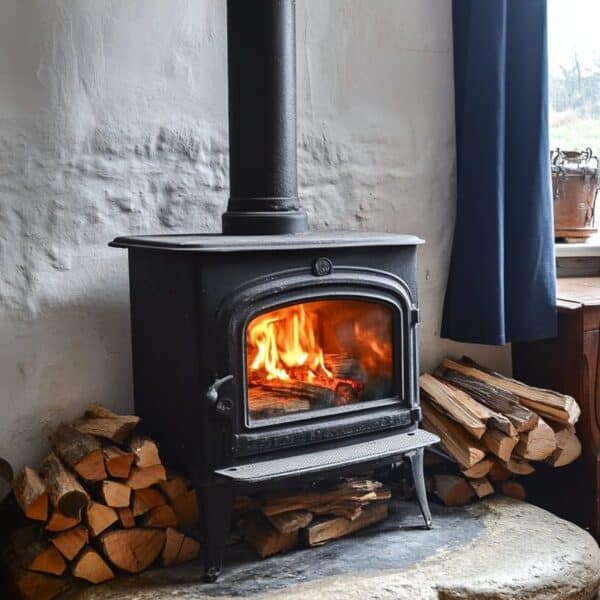
At our Northern California Coast cabin, our wood-burning stove is the heart of the heating setup. We also added Rockwool insulation during our renovation. It may not be the glamorous part of a cabin makeover, but it makes the beautiful part – sitting by the fire and actually feeling warm – a whole lot better.
Quick Comparison Guide:
- Heat pump: efficient electric heating and cooling, but typically needs power.
- Wood stove: useful for outage resilience and radiant warmth, but requires seasoned wood, chimney maintenance, and safe installation.
- Electric space heater: best for a small occupied zone, not a whole drafty cabin.
- Pellet stove: controlled heat, but generally needs electricity.
- Propane: potentially useful backup with correctly installed, indoor-rated equipment; venting and safety requirements vary by model.
The real winner is whichever setup keeps your specific cabin comfortable without wasting energy. And yes, sometimes the best upgrade is weatherstripping – not another heater.
Understanding Your Space

You’ll need to know exactly what you’re working with if you plan on heating a cabin efficiently. Measure the length, width, and height of each of your rooms to determine the square footage of each room, then add these numbers up to determine the total square footage you’ll need to heat.
Depending on the size and layout of your cabin, there may be some areas that you don’t need to heat, so you can adjust your calculations accordingly. While you’re gathering the square footage, make sure to check the insulation situation, too. Rooms with poor insulation or lots of windows tend to leak heat like crazy, so we’ll want to think about that as well.
For windows, though, there’s a simple solution: add curtains. They might not seem like it, but curtains can actually help hold a ton of heat in during the winter. Hang drapes like a pro to keep that warmth in, with a dash of interior design to boot.
How Many BTUs Do You Need to Heat a Cabin?
Before shopping for a wood stove, propane heater, or heat pump, estimate how much heat your cabin loses on a cold day. Heating output is commonly described in BTUs per hour (BTU/h), which tells you how quickly a heater can replace that lost heat. Square footage gives you a starting point, but insulation, ceiling height, windows, outdoor design temperature, and air leaks all matter.
For a very rough first-pass illustration only, some homeowners use about 20–40 BTU/h per square foot, then investigate conditions that push their needs higher or lower. This is not a minimum, a code requirement, or a substitute for a room-by-room Manual J heat-loss calculation. A well-insulated cabin in a mild climate may need substantially less.
Example: Say your cabin is 800 square feet. Using an illustrative 30 BTU/h per square foot gives 800 × 30 = 24,000 BTU/h. That is a starting estimate, not a recommendation to buy a stove with a 24,000-BTU maximum label. Have the real heat loss checked, and compare the heater’s usable output range, not just its biggest advertised number.
What about our vaulted ceilings? More air volume and tall glass can change comfort and heat distribution, but don’t automatically multiply the square-footage estimate by ceiling height ÷ 8. A proper heat-loss calculation accounts for exposed surfaces, air leakage, and local weather instead.
Cabin Heating Options

Once you know your measurements, it’s time to consider which heating option(s) will work best for your particular solution. I always recommend choosing solutions that don’t rely on the grid when possible, since they can be installed anywhere and can still provide heat if the power goes out. That said, having a backup is always a good idea, so consider setting up some grid-free solutions as a backup anyway for year-round reliability.
Tip
Planning to use propane for backup heat? Start by calculating how many gallons your heater burns per hour, then multiply that by how many hours you want to stay warm during an outage. Add a 20–30% buffer for unexpected cold snaps, and make sure your tank can deliver enough fuel in freezing temperatures. Check out my propane tank sizing guide to help plan your backup fuel supply. Always use heaters rated for indoor use with proper ventilation and carbon monoxide detectors.
Which Cabin Heating Option Is Best for Your Setup?
If you live at your cabin full-time and have dependable electricity, a properly selected heat pump may offer the best balance of efficiency and convenience. If your cabin is remote, used on weekends, or prone to outages, a wood stove paired with a separate freeze-protection plan may be more resilient. For a tiny, well-insulated cabin, you may only need one small heating zone. For a spread-out floor plan, one gorgeous stove in the living room may not keep every bedroom comfortable.
Before buying anything, ask: Do I need heat while I am away? Can I safely keep the plumbing above freezing? Is electricity reliable? Can the chimney and clearances support a stove? Do I want to split and store firewood? Your answers matter more than a generic “best heater” ranking.
Electricity-Required Options
- Electric Space Heaters: As the name implies, these heaters require electricity to work. They pull a lot of power and produce focused heat, making them best for spot-heating single rooms.
- Oil-Filled Radiator Heaters: These heaters also draw a lot of wattage, but they cycle on and off. Electricity is used to generate heat. Best for areas that require silent, steady heat.
- Electric Underfloor Heating: In most rooms, this setup draws thousands of watts, but it feels amazing to step onto warm floors after a shower. This is best if you want a premium experience and don’t mind higher operating costs. Our cabin bathroom has heated floors, and we love them!
- Heat Pumps: If you have reliable electricity, a properly sized heat pump can be one of the most energy-efficient ways to heat a cabin. Unlike traditional electric space heaters, heat pumps move heat rather than simply generating it, which can significantly reduce electricity consumption. Modern cold-climate models can also operate in freezing temperatures, although efficiency and heating capacity vary by model and outdoor conditions. For year-round cabin living, especially if you also want air conditioning, they’re worth considering.
- Pellet Stoves: Although these stoves burn pellets to produce heat, they still require electricity to feed themselves pellets and move air around. Power draw is low, generally 200w or less, but pellet stoves won’t run if the electricity goes out.
- Boilers: These systems heat and pump hot water to create heat throughout your home, distributed via radiators, radiant floor tubing, or baseboard heaters. Though the water is heated using gas, oil, or propane, these systems still rely on electricity to run various components. If the electricity goes out, your boiler will turn off.
Something to consider: While solar power alone isn’t always enough for extended use of high-powered systems, a solar setup with battery storage can be a great way to overcome short, temporary outages, making it worth considering!
Grid-free Solutions

- Wood-Burning Stoves: This is how we heat our cabin! Simple and easy, these stoves burn wood to provide heat. Designs and efficiency vary, but all wood-burning stoves will require you to manually feed the fire to keep the heat coming. Firewood sourcing is the main consideration here. We simply stock up in the hot season to save a bit on wood delivery.
- Coal Stove: These stoves are relatively “set it and forget it”, although you will need to manually light the coal and clean the grate every morning. You can expect 12 to 18 hours of heat from these before they need tending.
- Kerosene Radiant/Convection Heater: NOT FOR INDOOR USE. These portable heaters require manual lighting, adjustment, and refilling, as well as ventilation. Ventilation is key, as carbon monoxide buildup can be deadly. On the plus side, you’ll generally get 8 to 12 hours before needing to refill your heater.
- Propane Heater: NOT FOR INDOOR USE. If you plan to rely on them, you’ll need a suitably sized propane tank. They require no electricity to run, making them an excellent option as a backup unit, although you will want proper ventilation and a CO detector just in case.
Propane can be used for more than just heat! Consider picking up a propane gas generator if you want a backup system that doesn’t rely on the sun.
How to Choose a Wood-Burning Stove by BTU and Square Footage
This is where I’d slow down before falling in love with the prettiest cast-iron stove in the showroom. Bigger does not automatically mean better. A stove that is too small may struggle through cold weather; one that is too large can leave you overheated or tempted to burn it too low, which can make for a dirtier fire.
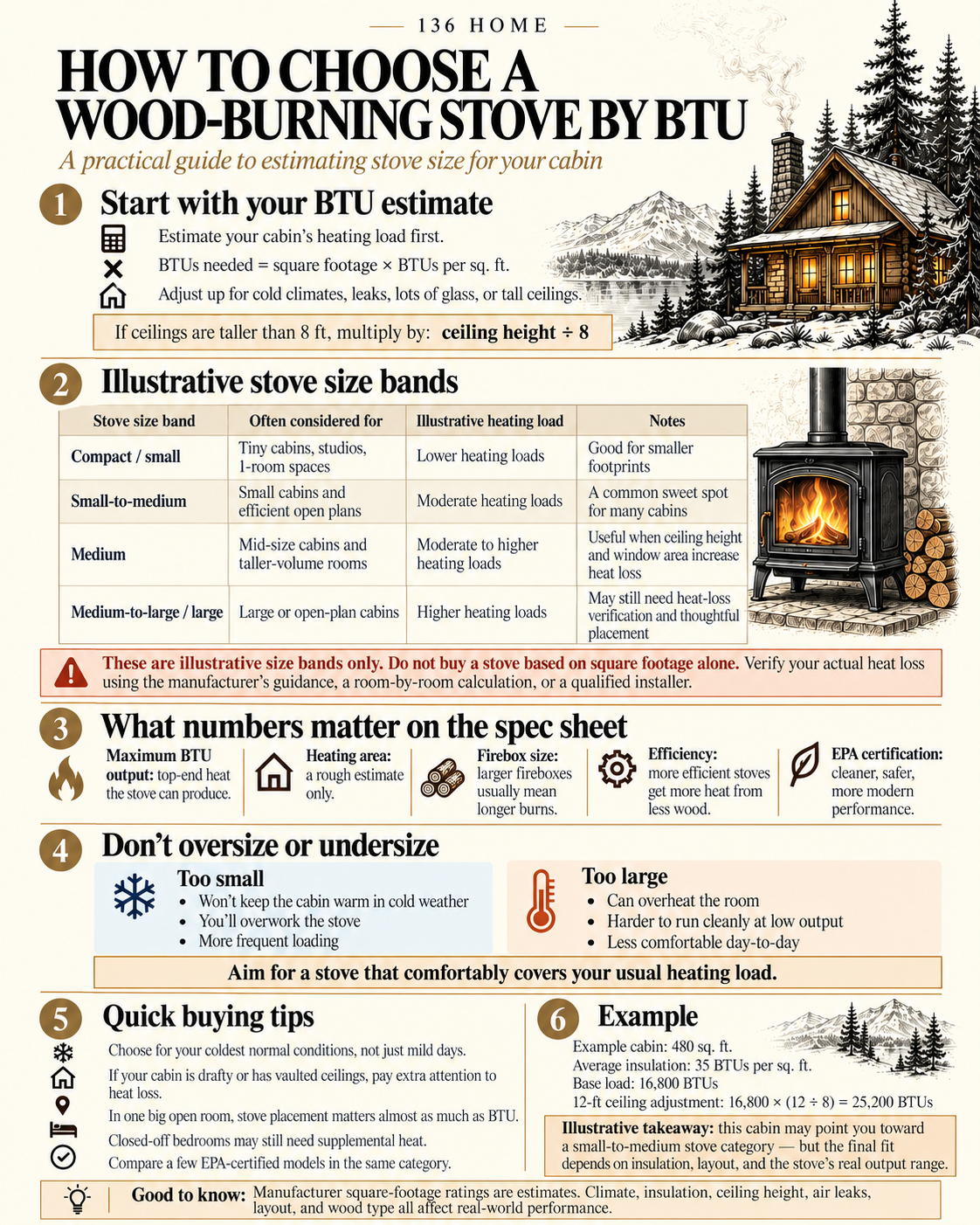
Here are illustrative cabin sizes to help narrow your shopping list: 200–400 sq. ft., tiny cabin; 400–800 sq. ft., small cabin; 800–1,200 sq. ft., medium cabin; 1,200–1,800 sq. ft., larger cabin; 1,800+ sq. ft., large or open-plan cabin. These are space categories, not official BTU-to-square-foot sizing specifications. The same 800-square-foot cabin can have very different heat losses depending on where it is and how it is built.
When comparing stoves, look at the realistic operating output range in BTU/h, firebox capacity, measured overall efficiency, local emissions requirements, flue compatibility, manufacturer-required clearances, and whether the stove is EPA-certified where applicable. The “heats up to X square feet” claim is only a rough marketing guide. A qualified hearth professional can help match the stove and chimney system to a real heat-load assessment.
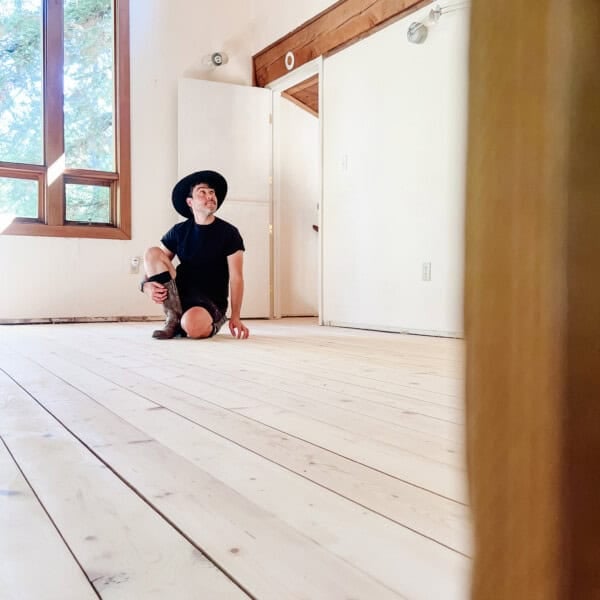
For our cabin, I especially care about whether heat reaches the loft and library, not just how warm it feels standing in front of the fire. Placement, open doorways, and safe airflow make a surprisingly big difference.
Understanding Cabin Heating Requirements
As you can see, there are quite a few different approaches you can take to heating a cabin efficiently. While most people just start by considering a wood stove vs. electric heat, you can make your setup much more reliable for a long time if you integrate a backup solution. For example, pairing a simple space heater with the best wood burning stove indoor option for your home, you’ll benefit from both reliability and adjustable heat for different times of the year.
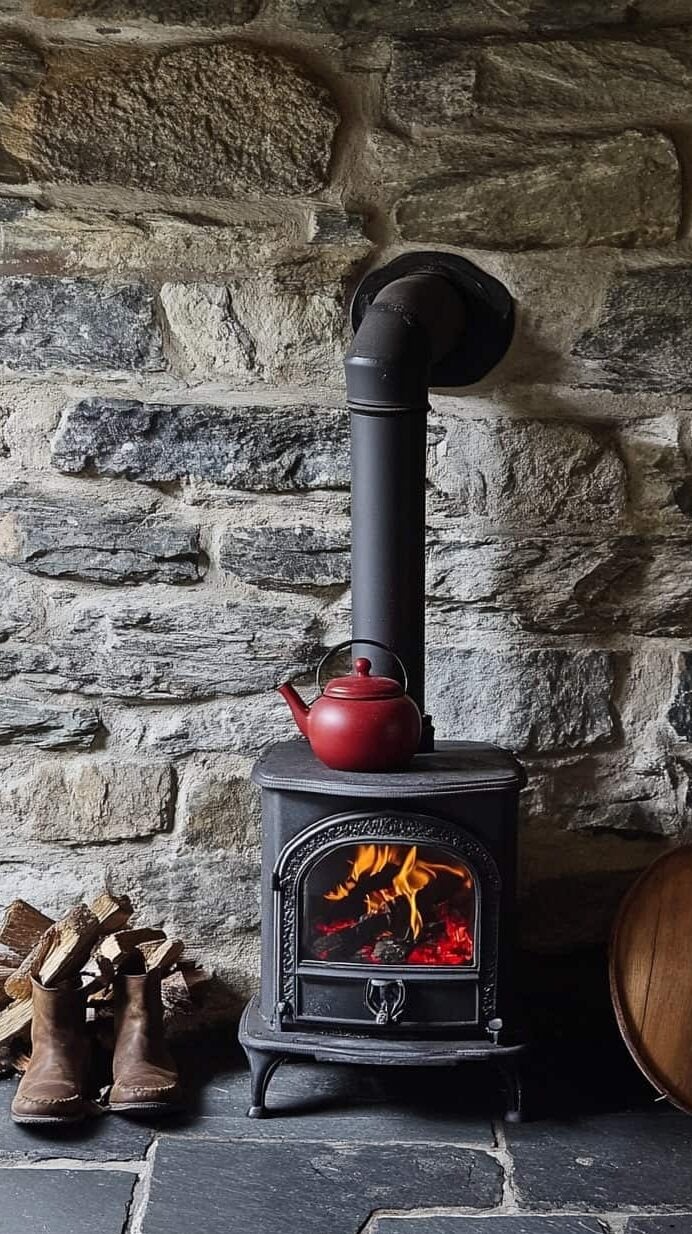
Even if you plan to rely on traditional power for your main heating system, you still need to prepare for power outages, even if you’re not living in an off-grid cabin. Both methods, however, must provide enough heat to warm your home, whether you’re heating a small cabin or a larger one. Remember how we calculated the square footage we’d need to heat earlier? Well, that’s where this number comes in handy.
Tip
At a bare minimum, you’ll want 20 BTUs of power for every square foot of space you’re heating.
Heating power is measured in BTUs, or British Thermal Units. For example, a 400-sq-ft cabin would require a heating solution that could output a minimum of 8,000 BTUs. However, this assumes great efficiency. If your insulation is lacking, then the required multiplier could be much larger. See the infographic above for the rule of thumb.
Why 20 BTUs per Square Foot Is Not a Universal Minimum

You will see neat little online formulas claiming every cabin needs the same number of BTUs per square foot. I wish it were that easy. The truth is that the heating load for a well-sealed cabin in a mild coastal climate may look nothing like that of an older, drafty cabin in the mountains. Use square-foot rules only to sketch an early budget, and use a professional load calculation before making a major equipment purchase.
Also, be sure you are comparing BTU/h of delivered heat, not fuel input, not a stove’s one-time peak output, and not BTUs of stored fuel. For electric heaters, 1,000 watts of resistance heat supplies about 3,412 BTU/h. A heat pump can deliver more heat than the equivalent electric-resistance input because it moves heat instead of making all of it from electricity.
How to Heat a Cabin Without Electricity
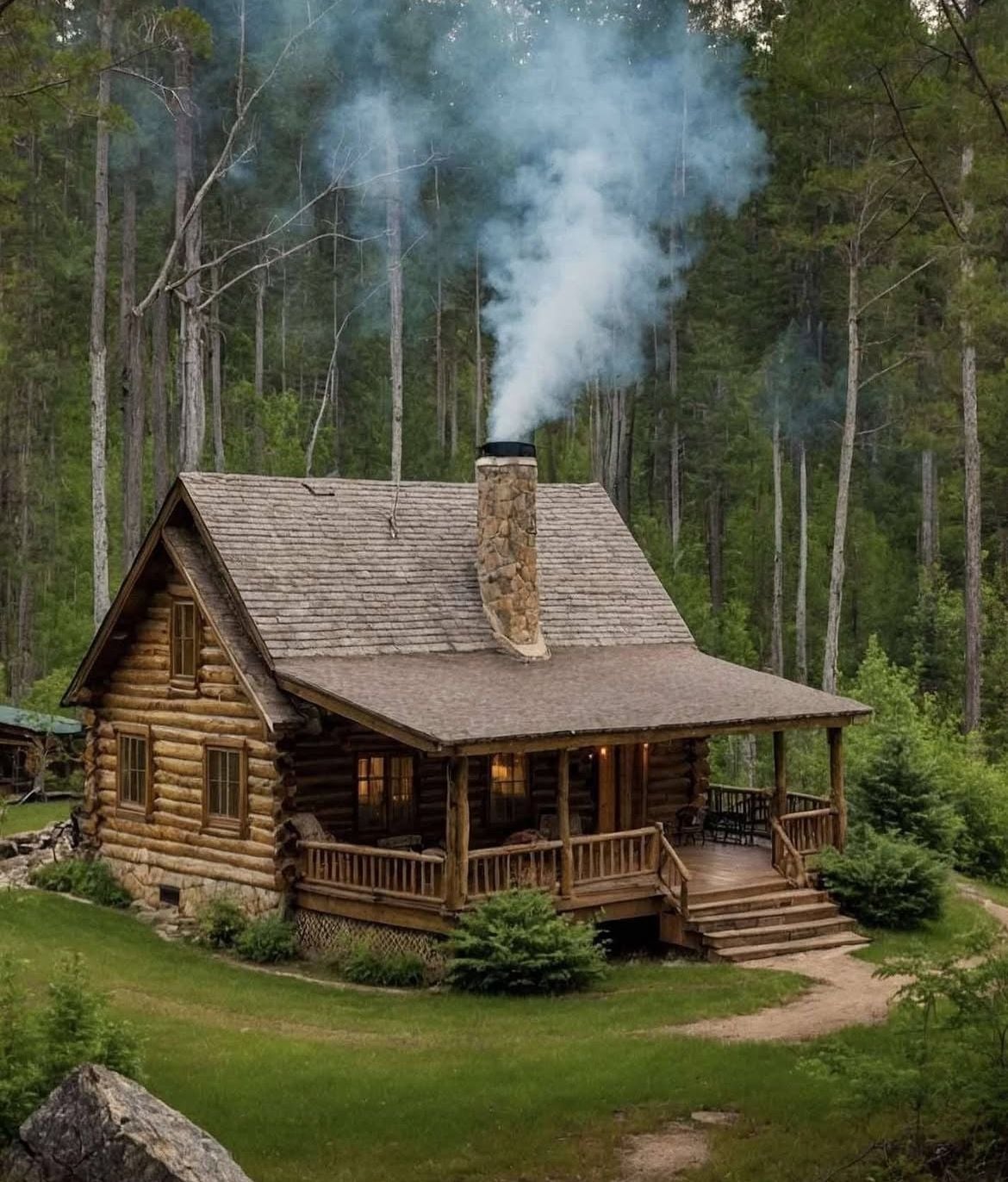
If the power goes out at a remote cabin, your best plan is a heating source specifically designed to operate without electricity—and a backup for anything that still relies on a fan, ignition system, or circulation pump. A properly installed wood stove can keep an occupied main living space warm, but it may not protect faraway pipes or closed-off rooms.
Our outage checklist is simple: keep dry, seasoned firewood ready; have flashlights and battery-powered carbon monoxide alarms; know how to use the stove safely; and plan for the well, water supply, and plumbing. If you rely on a generator, operate it outdoors far from windows and openings and follow its manufacturer’s placement instructions. Never bring outdoor fuel-burning heaters, grills, or generators inside.
And if we are leaving the cabin empty during freezing conditions? We don’t treat a roaring fire before checkout as a freeze-protection plan. We arrange suitable monitored heat and/or properly winterize the plumbing before we leave.
Optimizing Your Home’s Heating

Always inspect your insulation. Honestly, this is one of the best winter cabin heating tips you’re going to get. Heating a cabin efficiently really comes down to three things: ensuring your cabin has enough heating power, regular maintenance, and making sure your insulation is up to par. I’m not going to go over maintenance here as the steps depend entirely on what you’re using for heating, but we can talk about other optimizations.
Check your insulation for exterior walls of home for leaks and drafts. Major leaks may require in-depth repairs, but often, just some caulking can be enough to fix small leaks. Or go for it with my full insulation window guide. Using curtains can help reduce heat loss from the windows, and placing rugs on the floor can help reduce heat loss through the floor.

You’ll want to consider the interior layout as well, since airflow is an important element in the effectiveness of your heating. Using fans and opening/closing doors can make a significant difference, ensuring warm air gets spread evenly throughout your living space.
Cabins in remote locations can really benefit from utilizing renewable energy sources. Check out solar thermal panels if you’re curious about eco-friendly options!
10 Ways to Keep a Cabin Warm Without Wasting Fuel
- Seal gaps around exterior doors and windows. Start with visible daylight and the drafts you can actually feel.
- Check attic, roof, and wall insulation. Improving the envelope can be more useful than buying an oversized heater.
- Use insulated curtains or shades after sunset. Open them on sunny days when passive solar heat is welcome.
- Keep rugs underfoot. They improve comfort on cold floors, though they do not replace floor insulation.
- Burn seasoned wood in a correctly installed stove. Wet logs waste energy and create more smoke.
- Maintain your chimney and stove on the schedule recommended by a qualified professional.
- Move warm air thoughtfully. A gentle fan can help mix air in an open room, provided it is placed safely away from the stove.
- Close off unused spaces only when doing so will not create freezing or ventilation problems.
- Use thermostats or zoning where your equipment supports them. Avoid trying to apply one timing rule to every heater.
- Prepare the cabin before winter: test alarms, inspect weatherstripping, check pipes, and confirm the backup plan.
How Much Does It Cost to Heat a Cabin?
There is no single cheapest method for every cabin. Electricity rates, local firewood prices, propane delivery, heating-system efficiency, installation costs, and how many nights you use the cabin all change the math. Instead of repeating an internet average, calculate your own cost per useful unit of heat.
For example, a 1,500-watt electric space heater running for five hours consumes 7.5 kWh. If electricity costs $0.25 per kWh, that session costs about $1.88. Change either the run time or the local utility price, and the result changes. For wood heating, compare the cost of a delivered cord of properly seasoned wood with the stove’s actual overall efficiency and the amount you burn. For a heat pump, use its estimated heating-season performance rather than comparing its input watts directly with a resistance heater.
Here’s how we approach heating our cabin in real life.
Our Wood Stove and Firewood Costs
Our Dauntless stove is our primary source of heat, and we typically stock up on firewood during the warmer months, before demand increases.
Rather than buying a few expensive bundles every time we visit, we order seasoned firewood in bulk and have it delivered.
Our Vermont Castings Dauntless wood stove is the primary heating source at our Northern California Coast cabin. We typically pay $400 for a cord of seasoned firewood, plus $150 for delivery, bringing our total to approximately $550 per delivered cord.
On a typical winter weekend, we burn around 40 logs, which I estimate costs us roughly $50 in firewood. Of course, that varies depending on the weather, log size, and how long we keep the stove running.
For us, buying in bulk during the warmer months has been one of the easiest ways to plan our heating budget. Frankly, having a proper woodpile stocked before the rainy season feels like a small luxury.
Here’s what our actual firewood budget looks like:
- Cost of a Cord of Firewood: $400
- Firewood delivery: $150 per cord
- Typical winter weekend: 40 logs of firewood
- Estimated seasonal firewood spending per weekend: $50
- Primary heating source: Vermont Castings Dauntless wood-burning stove
- Supplemental comfort: Electric radiant heating beneath our bathroom floor
One thing I’ve learned? A cord of firewood is a measurement of volume, not a guarantee of how much heat you’ll get. Wood species, moisture content, and how efficiently you burn it all make a difference.
My advice is to buy properly seasoned wood with a moisture content of 20% or less, store it off the ground, and keep it covered from rain while allowing airflow. Wet wood causes buildup and low efficiency.
FAQs About Heating a Cabin Efficiently

What is the cheapest way to heat a small cabin? It depends on local energy prices and how often the cabin is occupied. A high-efficiency heat pump can be economical for regular electric heating; a wood stove may make sense if you have affordable seasoned firewood and value outage resilience. Always include equipment, installation, and maintenance costs.
Can one wood stove heat an entire cabin? Sometimes, especially when the cabin is compact and open-plan. Closed bedrooms, a loft, and drafty corners can stay cooler. The stove’s placement and your home’s heat loss matter more than an advertised square-foot rating.
What size wood stove do I need for an 800-square-foot cabin? There is no safe one-size-fits-all BTU rating. Compare the cabin’s heat-loss calculation with a stove’s usable heat output, then check installation clearances and chimney design with a qualified professional.
How can I heat a cabin without electricity? A properly installed, electricity-independent wood stove may heat an occupied living area. Some approved direct-vent gas heaters can also operate without mains power, depending on the model. Never use camping stoves, outdoor propane heaters, charcoal grills, or generators indoors.
Should I leave the heat on overnight when temperatures are freezing? If plumbing could freeze, you need a dependable freeze-protection strategy. The correct thermostat setting depends on insulation, pipe placement, outdoor temperatures, and the heating system. A fixed 60–65°F rule does not guarantee every pipe is safe; winterize or monitor the building when necessary.
Is the 30-minute heating rule a good cabin strategy? Not universally. Turning heat on or off exactly 30 minutes before using a space is not a recognized universal energy-saving rule, and it may be unsafe where pipes need protection. Follow the equipment instructions and the cabin’s winterization requirements.
Does a wood stove need electricity? Many traditional freestanding wood stoves do not need power for basic combustion, though optional fans do. Pellet stoves generally do require electricity for feeding and controls.
Related Reading
Final Thoughts

Whether you’re adding the final touches with heated bathroom floor tiles, going completely off-grid with solar energy, or keeping things simple with a log burner, heating a cabin efficiently is important. Without proper heating, even a quick visit to your cabin can become uncomfortably chilly, and the harsh winters will be simply unbearable.
That said, you’ll easily be able to keep your cabin warm and cozy all winter long, just by following these fairly straightforward steps and optimizations. Have any cabin-life tricks of your own? If so, let me know in the comments. I love hearing from you guys!
Thanks for reading. I’ll be back soon with more!


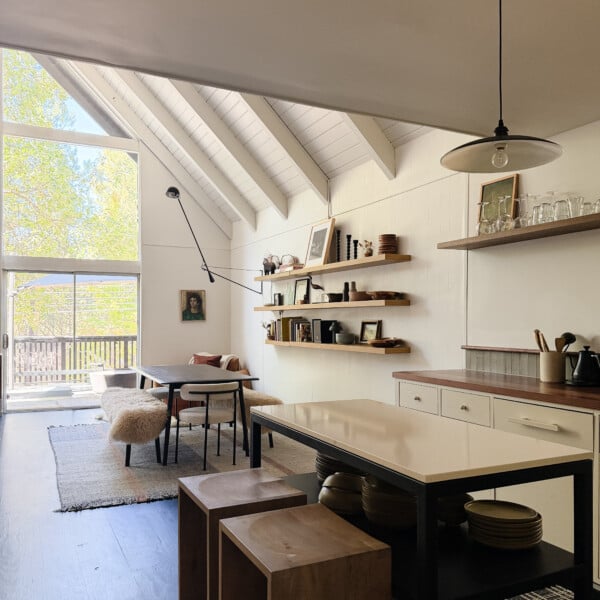
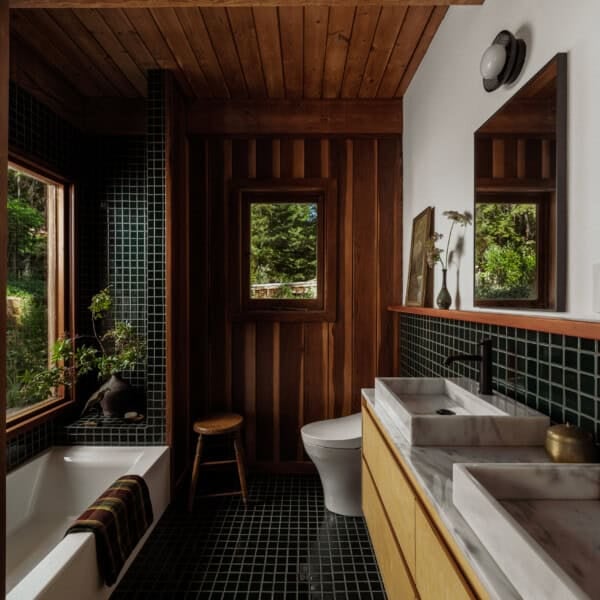








And here’s something worth remembering: don’t just consider square footage when choosing a heating system. Ceiling height, windows, insulation, and even how rooms connect can dramatically change how warmth moves through your space.
For our cabin, we spend about $50 on firewood over a typical winter weekend. Not bad for a cozy escape in the redwoods!