

Estimated reading time: 21 minutes
Key Takeaways
- Indoor plant care requires attention to light, watering, and placement, not just a green thumb.
- Beginners should start with forgiving plants like pothos, snake plants, and ZZ plants.
- Proper lighting and watering practices are crucial: check soil moisture before watering and research individual plant needs.
- Selecting the right soil and pot is vital; use well-draining soil and ensure the pot has drainage holes.
- Regular maintenance, such as dusting leaves and rotating plants, will promote healthy growth and prevent issues.

I’ve grown indoor plants literally everywhere from my city home to my redwood cabin in Northern California, and if there’s one thing I’ve learned, it’s this: most houseplants don’t die because people lack a green thumb. They die due to light, watering, and placement errors.
The good news? Once you understand the basics of indoor plant care, keeping houseplants alive becomes a whole lot easier. You can even move on to more advanced plant designs, such as exterior hanging plants that do not need sunlight or a statement ficus rubber tree plant.

Over the years, I’ve learned through plenty of trial and error, from overwatering tropical plants to placing sun-loving plants in dark corners that never stood a chance. This guide breaks down everything I’ve learned about indoor plant care, including lighting, watering, humidity, soil, repotting, pruning, and the easiest indoor plants for beginners.
Whether you’re styling a single pothos on a bookshelf or turning your home into a full indoor jungle, these are the indoor plant care tips that actually make a difference. There are a ton of hard to kill plants for beginners as well, so you’ll have options even as a first-time plant parent. Ready to try something more sculptural? My step-by-step staghorn fern mounting guide shows you how to turn a houseplant into living wall art.
Table of contents
- Let’s Start With Lighting
- Indoor Plant Care for Beginners
- Window Directions and Light Exposure
- When to Water
- How to Avoid Overwatering Indoor Plants
- Selecting Your Soil
- Picking the Perfect Pot
- The Repotting Process
- Indoor Plant Maintenance Tips
- Indoor Plant Care Schedule
- Pests & Other Problems
- Signs Your Indoor Plant Is Unhappy
- What I’ve Learned Along the Way
- My Favorite Indoor Plants for Moody Interiors
- Indoor Plant Care FAQs
- Other Plant Care Tips and Tricks
- Final Thoughts
Let’s Start With Lighting

Lighting is one of the most important things for a plant, aside from water, nutrients, and air. That said, it’s also one of the parts of indoor plant care that beginners struggle with the most. There isn’t a one-size-fits-all solution, and that’s where the issues can arise.
When purchasing new plants, I always make sure to do some research so I can determine that specific plant’s individual lighting needs. Whereas tropical plants may prefer bright light, many low to no light indoor plants can only tolerate bright light in small doses. In many cases, indirect light ends up being the best option for bright and low light plants alike.

Ultimately, available lighting is what you’ll use to choose your plant’s location. You can always use shades and curtains to limit the light exposure as needed, but I recommend choosing a window direction that aligns with your plant’s needs and working from there first.
Indoor Plant Care for Beginners

If you’re brand new to indoor plant care, don’t overcomplicate it. Most beginner plant problems come down to three things: too much water, not enough light, or choosing the wrong plant for the space.
When I first started collecting houseplants, I made the mistake of buying plants based purely on looks instead of understanding what the plant actually needed to survive. A dramatic fiddle leaf fig might look beautiful online, but if your apartment barely gets sunlight, it’s probably going to struggle.
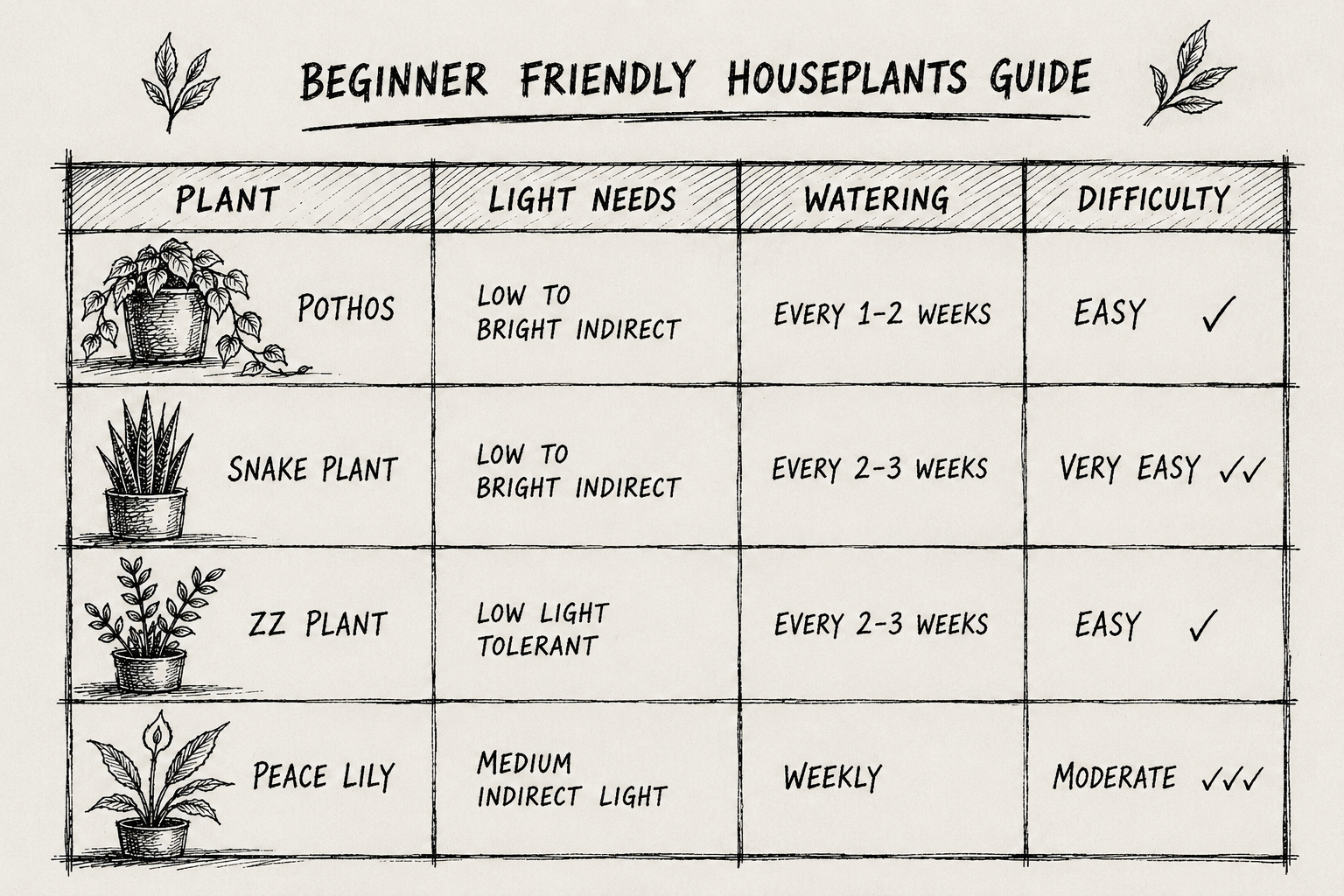
Instead, start with easy indoor plants that are known for being forgiving. My favorite beginner-friendly houseplants include:
- Pothos for fast growth and low maintenance
- Snake Plant for darker corners
- ZZ Plant for low light and infrequent watering
- Peace Lily for softer filtered light
- Chinese Money Plant for a pop of whimsy.
The biggest thing? Don’t buy ten plants at once. Start slow, learn what works in your home, and build from there.
Window Directions and Light Exposure

A window can offer a lot or a little light, depending on which way it’s facing. Here’s a quick, general guide to help you find the right plant placement.
- North-facing windows only offer indirect sunlight, making them perfect for shade-tolerant plants. Perfect for Monstera plants.
- East-facing windows offer soft but direct morning sunlight.
- South-facing windows provide high-intensity, all-day sun, often making light filtering a necessity.
- West-facing windows give a plant direct afternoon sunlight.
Tip
Plants grow towards their light source, so make sure to give your plants a quarter turn every two weeks to avoid leaning and lopsided growth! Consider using something like this plant caddy to easily move large healthy plants without hurting your back.
When to Water

Proper lighting for your plants is important, but so is watering. Give your plants too much water, and they’ll end up with root rot. Too little, and they’ll start to wither and crisp. Balance is key here, but the exact balance you’ll need depends entirely on the specific plant you’re trying to grow.
Part of indoor plant care is doing research, and this is another area where it’s definitely needed. Different types of plants prefer different levels of moisture, but their specific needs are also affected by their surroundings. Plants in bright sunlight will tend to need more water; plants in areas with higher indoor plant humidity will tend to need less.
Even the seasons will affect your plant’s watering needs. Plants need more water during the growing season, and tend to need less during the winter months.
How to Avoid Overwatering Indoor Plants

One of the easiest ways to avoid overwatering indoor plants is to check the soil before watering. Stick your finger about 1–2 inches into the soil. If it feels dry, it’s usually time to water. If the soil still feels damp, wait a few more days and check again.
Overwatering is one of the fastest ways to kill a healthy houseplant, especially during winter when plants naturally need less moisture.
Many, but not all, indoor planters will have drainage holes. It’s basically essential that your planters have drainage holes, as these can help you avoid overwatering your plants. If not, water can build up inside the pot, causing root rot and eventually killing your plants.
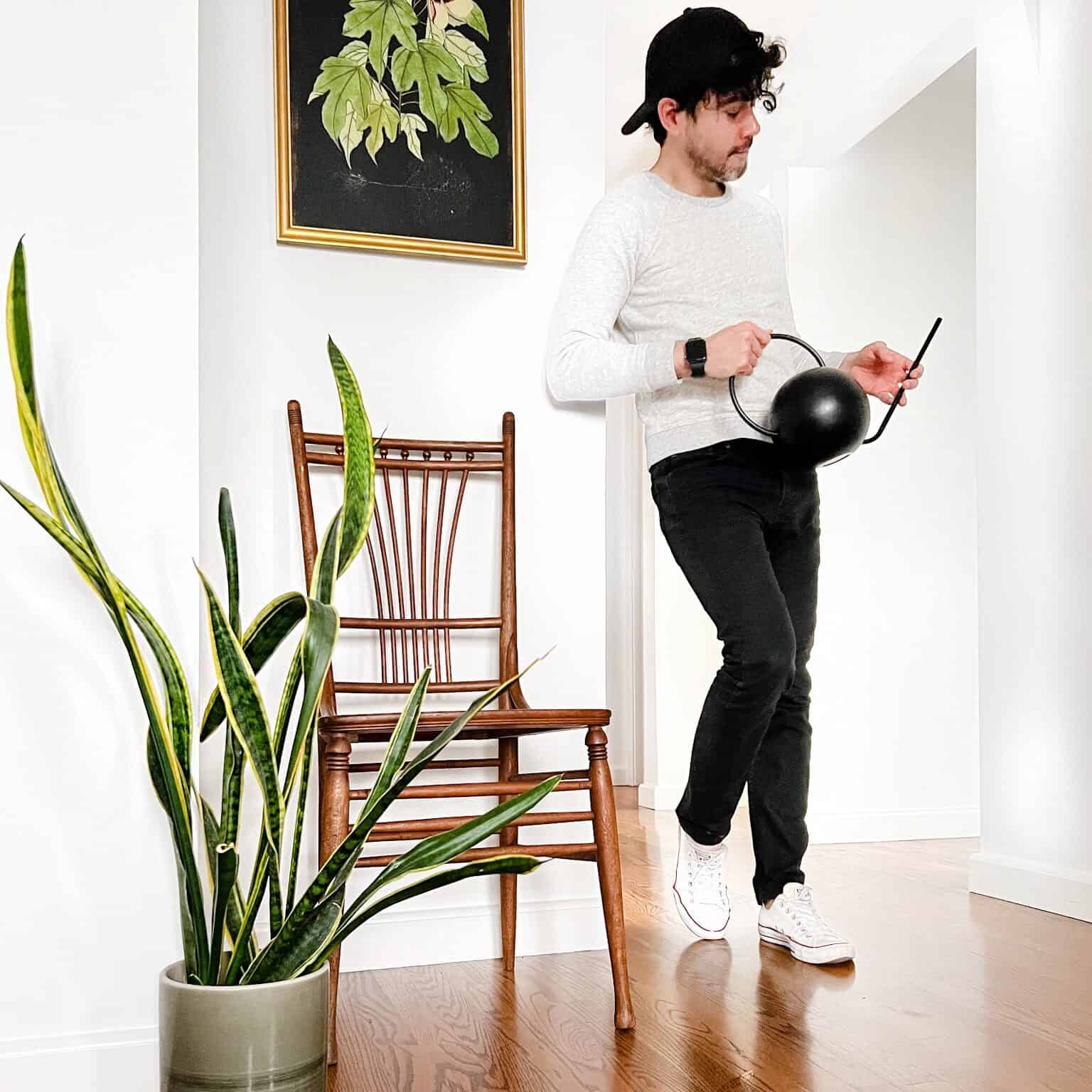
Of course, it’s important to avoid underwatering your plants as well. Generally, you can easily check if a plant needs water simply by sticking your finger an inch or so into the soil surface. If it feels dry, the plant probably needs water!
Tip
Not sure where to start? I recommend checking out a pothos or snake plant! They are my go-to plants for new plant parents for their ease of care and striking good looks.
Selecting Your Soil

If you’ve never tried your hand at indoor plant care before, then you might be thinking that soil is just dirt. However, this isn’t exactly the case. In fact, indoor potting mixes are actually a mixture of organic materials like peat moss, perlite, and bark, rather than just plain dirt. The reason? Plain old dirt just wouldn’t drain enough, and you don’t want to be left with soggy soil!
These mixtures are designed to be lightweight and well-draining, which is exactly what you’ll want for an indoor plant. Assuming your planter has drainage holes, any water you put in the planter will easily be able to make it out, preventing wet soil buildup in the bottom of the pot.

Different types of plants will require different potting mixes in their ceramic or plastic pots. When you buy a new plant, always do some research to figure out what kind of potting soil your new plant prefers. This will be vital information when it comes time to repot your plant.
Pro Tip: Consider using fertilizer on your plant during the growing season to help it really shine! Many plants prefer a balanced fertilizer, but do your research before selecting one to ensure you’re meeting your plant’s needs. Follow the instructions to the letter, as using too much fertilizer can actually harm your plant!
Picking the Perfect Pot

Picking the right pot for your plant isn’t particularly hard, but there are a few different things you’ll want to think about when selecting one. For starters, getting the correctly-sized pot is key. I recommend aiming for a pot that’s 1-2 inches larger in diameter than your current plant pot when upgrading. This will give your plant space to grow before the next repot.

Aside from sizing, you’ll also want to consider the material that the pot is made from. Glazed ceramic pots don’t offer much airflow, but they do hold water well. Terracotta pots are porous and tend to dry out the soil quickly, making them excellent for succulents and other low-moisture house plants. Plastic pots offer a ton of different designs at generally lower prices, though they do retain a lot of moisture.
Really, you’ll want to match your pot to the plant. For example, small indoor palm plants prefer lots of moisture, so either a glazed ceramic or a plastic pot would work well here. If your plants were still drying out, you could try using pebble trays to increase the humidity. Too dry? Just water more.
Either way, make sure your pots have drainage holes to avoid overwatering!
The Repotting Process

You likely won’t need to deal with it right away, but repotting is still an essential part of indoor plant care. Fortunately, the process isn’t too complex. It’s generally best to repot in the spring, but you’ll know it’s time to repot when the plant’s roots start to come out of the drainage holes.
To start, find a pot about 1-2 inches larger in diameter than your current pot. If your new pot is porous, soak it in water overnight beforehand. Then, in the current pot, water your plant and let it sit for one hour. Take this time to place a small screen over the drainage holes of the new pot. This will allow water to drain, but keep soil from leaking out.
Tip
Freshly repotted plants are a little stressed and adjusting to their new environment. Skip the fertilizer for the first few weeks, giving the roots time to settle in naturally before encouraging new growth.
Indoor Plant Maintenance Tips

Plants in general don’t really require much upkeep, though this will depend on the exact type of plant. Still, there are a few general “best practices” that I think are worth following. Here’s what I do:
- Dust your leaves. If your plant’s leaves are covered in dust, then your plant will struggle to absorb light properly, causing it to have health issues and slow growth over time. You want clean leaves? Simply use a damp cloth to wipe them off every few months, and you’ll be golden.
- Don’t be afraid to prune your plants. The best time to do this is in the growing season, although you can technically do it anytime your plant starts to look a bit ragged. Aside from making the plant look better, pruning can also help reduce the possibility of pests. Make an angled cut above the node for standard pruning, and below the node when removing damaged stems.
- Rotate your plant every two to three weeks. As your plant will tend to grow in whatever direction gives it the most amount of light, it’s a good idea to rotate your plant to avoid a lopsided appearance.
- Check the soil every so often. Different times of the year will provide your plant with different growing conditions, even if it’s indoors. Humidity, light intensity, and watering needs can all change throughout the year. Even once good drainage can turn sour, so check your plant and your soil every so often to make sure everything’s good. If not, make adjustments as needed to avoid future issues.
Indoor Plant Care Schedule

One of the easiest ways to keep indoor plants healthy is to stay consistent with maintenance. Plants thrive when you pay attention to small changes before they turn into major problems.
Here’s the simple indoor plant care routine I try to follow throughout the year:
| Indoor Plant Task | How Often |
|---|---|
| Rotate plants | Every 2 weeks |
| Dust leaves | Once a month |
| Check soil moisture | Weekly |
| Fertilize during growing season | Every 4–6 weeks |
| Inspect for pests | Weekly |
| Prune dead growth | As needed |
| Repot rootbound plants | Every 1–2 years |
Even just five minutes of weekly plant maintenance can make a huge difference in how healthy your indoor plants look over time.
Pests & Other Problems
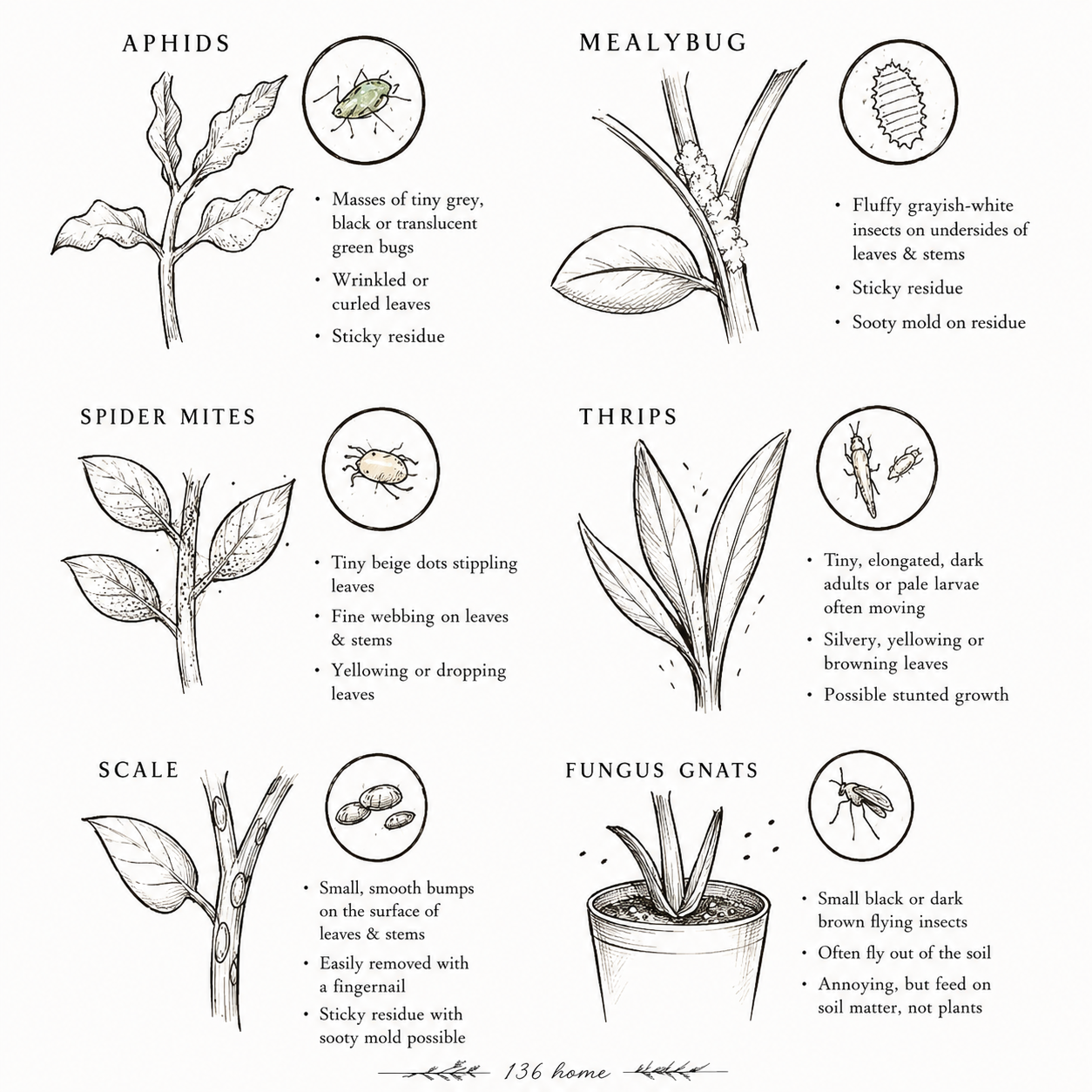
Indoor plant care problems can generally be split into three categories: pests, disease, and environmental issues. When it comes to dealing with pests, you’ll want to learn all the basics, like how to prevent flies on indoor plants and how to identify a pest infestation.

Sticky residue (aphids), webbing (spider mites), or white fuzzy clusters (mealybugs) are all indicators of common houseplant pests. Simply cleaning your plant with neem oil is often enough to rid your plants of these pests, although the exact methods you’ll want to take will depend on the type of pest(s) your plant has.
If your plant has powdery mildew on it, then you’re likely dealing with disease. Brown, black, or yellowing spots can be another indicator. Soft or mushy areas on the plant indicate root rot. Each of these issues needs to be approached differently, so I recommend just assessing your plant to determine the problem, then making a game plan from there.

Lastly, environmental issues are probably the ones you’ll struggle with most often. Fortunately, these are the easiest to fix!
- Wet soil and drooping, decaying leaves indicate overwatering. Check for blockage in the drainage holes, and commit to using less water.
- Dry or wilting leaves with dry soil indicate underwatering. Increase watering frequency.
- Curling leaves, brown spots, and quickly-drying soil indicate your plant is getting too much light. Relocate your plant or use a sheer curtain to reduce the natural light exposure.
- Small, pale leaves with leggy, slow growth indicate that your plants need more light. Change location as needed, and consider supplementing your plants with artificial light if there isn’t enough natural light in the available areas.
Signs Your Indoor Plant Is Unhappy

One of the best things you can do as a plant owner is learn how to recognize problems early. Most indoor plants will tell you something is wrong before things get serious.
Here are a few common warning signs to look for:
- Yellow leaves usually indicate overwatering
- Brown crispy edges can mean dry air or underwatering
- Pale leaves and leggy growth often mean your plant needs more light
- Mushy stems or constantly wet soil may point to root rot
- Curling leaves can signal heat stress or inconsistent watering
- Drooping leaves may mean your plant is thirsty
The sooner you catch these issues, the easier they are to fix.
What I’ve Learned Along the Way
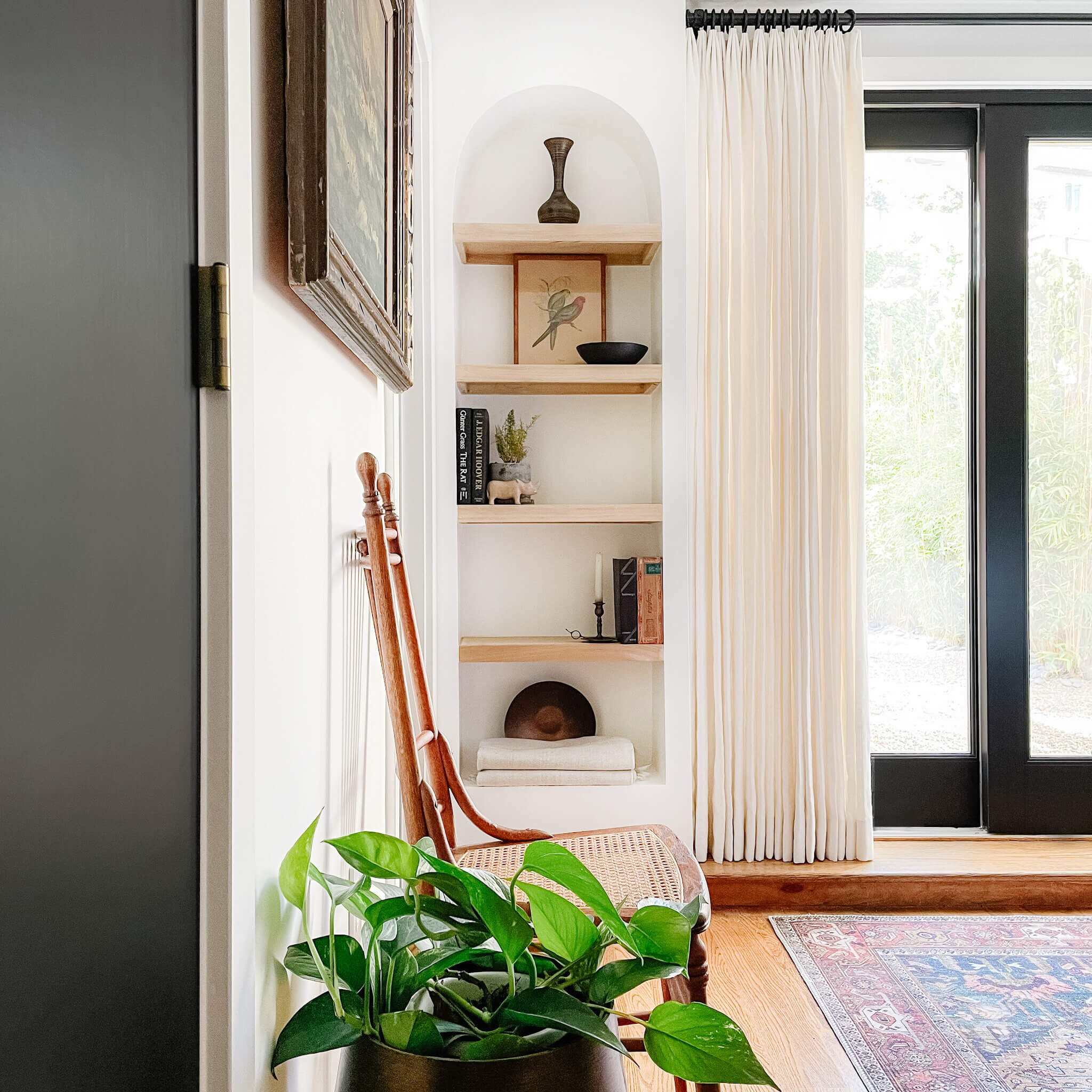
You guys know, I love plants! Whether it’s outdoor or indoor plant care, I just love to surround myself with beautiful, well-maintained plants. They brighten up nearly any area, giving it a sense of natural bliss. However, I wasn’t always the green thumb I am today. Really, it’s been many years of trial and error.
One of the mistakes I made early on was not realizing that taking care of outdoor plants and taking care of indoor plants is not the same thing. Each location offers unique benefits and challenges that you have to take into consideration along the way, everywhere from plant selection to preventative maintenance.

For indoor plant care specifically, I can’t recommend getting a good plant stand enough. It’s great to have plants, but if you don’t have any specific spot to place them, then it’s easy to overwhelm the area with random greenery.
In general, it’s important to just remember that keeping plants is a commitment. They don’t require as much time as a pet would, but you still need to be consistent if you want them to grow big and beautiful. It’s easy to get overambitious and end up with more plants than you can care for. Slow and steady wins the race; go too fast, and you’ll end up giving the extras away!
My Favorite Indoor Plants for Moody Interiors

You guys know I love interiors just as much as I love plants, and over time I’ve realized certain plants completely transform the feeling of a space.
I tend to gravitate toward indoor plants with sculptural shapes, deep green tones, and a slightly moody feel that works beautifully with warm wood, vintage furniture, and softer lighting.
A few of my favorites:
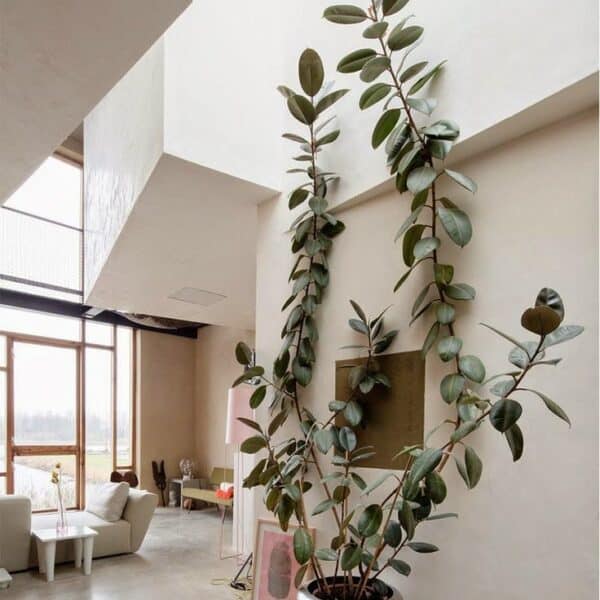
- Rubber Plant or Ficus Audrey for big dramatic and sometimes dark leaves
- Olive Tree for Mediterranean warmth
- Snake Plant for modern architectural lines
- Pothos for soft trailing greenery
- Fiddle Leaf Fig for height and structure
At the cabin, especially, plants soften all the redwood paneling and help blur the line between indoors and outdoors. There’s something about bringing greenery into a home that instantly makes a space feel calmer, more layered, and more alive.
How to Care for Indoor Plants in Winter

Winter is when I see most indoor plants struggle. Shorter days, colder temperatures, dry indoor heat, and lower humidity can completely change what your plants need.
One of the biggest mistakes people make during winter is continuing to water plants at the same frequency they did during spring and summer. Most indoor plants naturally slow their growth during colder months, which means they need less water overall.
Here’s what I focus on during winter indoor plant care:
- Water less frequently
- Move plants closer to natural light
- Increase humidity if indoor heat is drying leaves
- Avoid cold drafts near windows or doors
- Skip heavy fertilizing until spring
At the cabin especially, I notice the wood stove dries the air out fast during winter, so I keep a close eye on humidity-sensitive plants during colder months.
Indoor Plant Care FAQs

Most indoor plants should only be watered once the top 1–2 inches of soil feel dry. However, watering frequency depends on the plant type, humidity, season, and light exposure.
Some of the easiest indoor plants for beginners include Pothos, Snake Plant, and ZZ Plant because they tolerate inconsistent watering and lower light conditions well.
Yellow leaves are often caused by overwatering, poor drainage, or insufficient light. Always check the soil moisture before watering again.
Yes. Drainage holes help excess water escape and reduce the risk of root rot, which is one of the most common causes of indoor plant death.
Small leaves, stretched stems, pale growth, and leaning toward windows are all signs your indoor plant may need brighter light.
Some of the most common mistakes include choosing too large of a new pot, selecting a pot without drainage holes, using the wrong type of soil, overpacking the new soil, forgetting to “water in” your plant, and using the wrong soil type.
Other Plant Care Tips and Tricks
Final Thoughts

In the end, indoor plant care isn’t about perfection. It’s about paying attention.
Every home has different light, humidity, and rhythms, which means part of learning how to care for indoor plants is simply understanding how your space behaves throughout the seasons.
Some plants will thrive immediately. Others might struggle. I’ve definitely lost a few along the way myself.
But once you start understanding what your plants are trying to tell you, something clicks. Suddenly, you notice new growth, healthier leaves, richer color, and your entire home starts to feel more alive.
And honestly? That’s the magic of indoor plants.
Whether you’re growing large indoor plants and trees or small, spikey succulents, taking on any type of houseplant care is a journey. So don’t be afraid to take your time, make mistakes, and learn as you go. Be patient. The best things take time, after all. Thanks for reading!


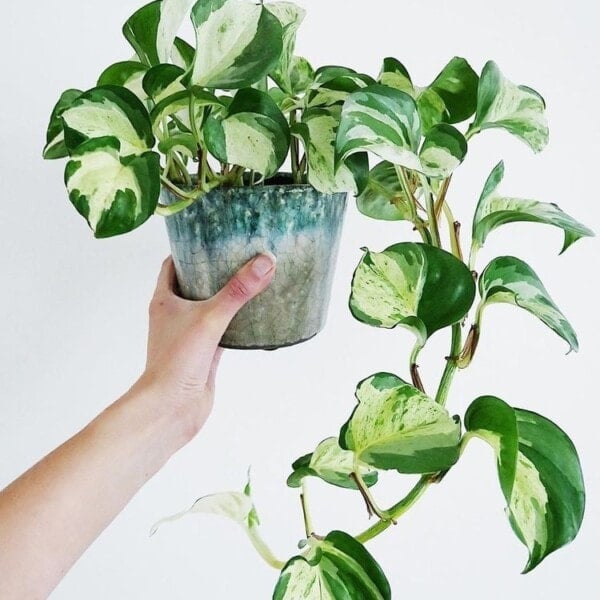
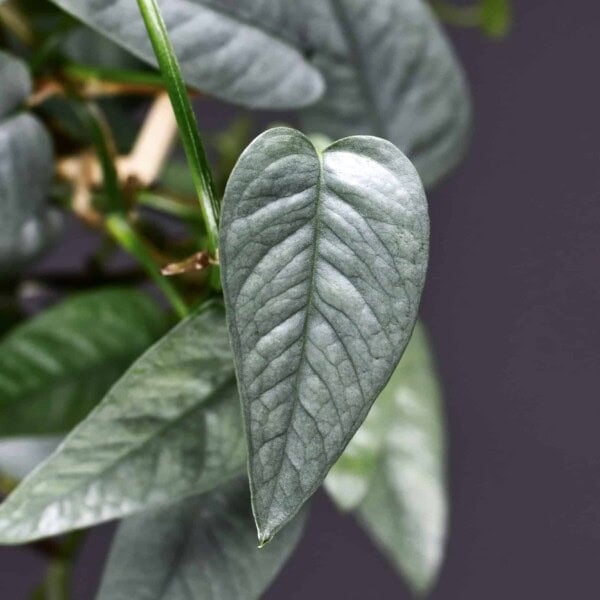










Most indoor plants die from too much love, not too little. I always check the soil first. If the top 1-2 inches are still damp, wait. Your plants will almost always prefer being slightly dry over sitting in soggy soil